


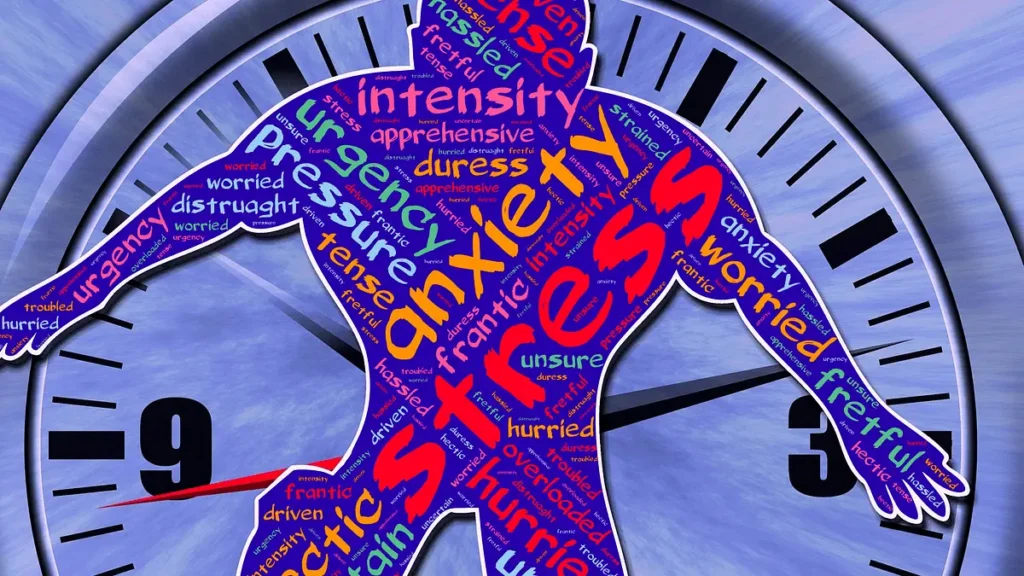
If you’ve ever noticed that your anxiety seems to ramp up in the week or so before your period arrives, you’re not imagining it. You’re not “overreacting.” And you are absolutely not alone. What you’re experiencing has a real biological explanation rooted in hormones, brain chemistry, and how your nervous system responds to the monthly changes happening inside your body. This is often referred to as pre period anxiety, and it’s far more common than most people realize. As a pharmacist, I find this topic genuinely fascinating, and I think once you understand what’s happening, it becomes a lot less frightening and a lot more manageable.
The Hormonal Rollercoaster You Didn’t Sign Up For
Your menstrual cycle is divided into two main phases. The first half, the follicular phase, is generally when most people feel their best. Oestrogen (estrogen)is rising, mood tends to be more stable, and energy is often higher. But after ovulation, you enter the luteal phase, and this is where things can start to shift.
During the luteal phase, progesterone rises sharply. For most people, this isn’t a problem. But for those who are sensitive to these hormonal shifts, this rise, followed by the steep drop in both oestrogen and progesterone in the days before menstruation, can have a significant knock-on effect on the brain.
According to research published in Archives of Women’s Mental Health, women with premenstrual anxiety show altered responses in the amygdala, the brain’s emotional alarm system, during the luteal phase. Essentially, the brain becomes more reactive to perceived threats when progesterone and oestrogen levels are fluctuating. That low level dread, the racing thoughts, the sense that something bad is about to happen? That’s your amygdala working overtime because of hormonal signals, not because the world has actually become more dangerous.
The GABA Connection, Why Calm Becomes Harder to Find
Here’s something I think more people need to know about, progesterone doesn’t just exist on its own. It gets converted in the brain into a compound called allopregnanolone, which acts on GABA receptors, the same receptors targeted by anti-anxiety medications like benzodiazepines. In low, stable amounts, allopregnanolone is actually calming and mood-stabilizing.
The problem? When progesterone drops sharply before your period, allopregnanolone drops with it. Studies have shown that in women with premenstrual dysphoric disorder (PMDD), a severe form of premenstrual syndrome, this fluctuation in allopregnanolone leads to a paradoxical hypersensitivity in GABA receptors, meaning the brain essentially loses its natural braking system for anxiety right when you need it most.
Think of it this way, your body’s built in anxiety buffer disappears just before your period, and the result is that ordinary stressors, a difficult email, a disagreement with someone, a busy schedule, suddenly feel overwhelming in a way they wouldn’t mid cycle.
Serotonin Also Takes a Hit
It’s not just GABA. Oestrogen has a strong influence on serotonin, one of the brain’s key mood-regulating neurotransmitters. A review in Frontiers in Psychiatry noted that oestrogen helps regulate the expression of serotonin receptors and slows the breakdown of serotonin in the brain. So, when oestrogen dips in the late luteal phase, serotonin activity can decrease alongside it.
Lower serotonin activity is closely linked to both anxiety and low mood. This is why many of the symptoms of premenstrual syndrome overlap with anxiety disorders, because chemically, what’s happening in the brain is not entirely different. Researchers have found that women with PMDD often show reduced serotonin transporter activity in the luteal phase compared to the follicular phase, which helps explain why mood and anxiety regulation becomes so much harder in those pre period days.
The Cortisol Factor
Stress hormones add another layer. Studies have found that cortisol, your body’s primary stress hormone, can be dysregulated during the luteal phase in women who experience significant premenstrual symptoms. A study in Psychoneuroendocrinology found (that the hypothalamic pituitary adrenal (HPA) axis, which controls your stress response, shows altered reactivity during this phase. In plain terms, your body’s ability to manage and recover from stress is compromised.
This creates a compounding effect: your natural calming chemicals are lower, your brain is more reactive, your serotonin is dipped, and your stress system is running less efficiently. It’s no wonder anxiety can feel suffocating in those few days before your period arrives.
When Does It Cross Into PMDD?
Premenstrual syndrome (PMS) affects a large proportion of women to varying degrees, but PMDD, premenstrual dysphoric disorder, more severe, clinically recognized condition affecting roughly 3–8% of women of reproductive age, according to data from the American Journal of Psychiatry. PMDD involves significant anxiety, mood changes, irritability, and sometimes depression that are consistently timed to the luteal phase and severe enough to interfere with daily functioning.
If you find that your pre period anxiety is genuinely disrupting your work, relationships, or quality of life, not just uncomfortable, but actually debilitating. it’s worth speaking to a doctor.
PMDD is a real diagnosis, and there are evidence-based treatments including SSRIs (which can sometimes be taken just in the luteal phase rather than daily), hormonal contraception, and in some cases, specialist referral.
What Can Actually Help
While the hormonal shifts themselves can’t be stopped, there are things that genuinely move the needle.
Track your cycle. Simply knowing that your anxiety spike is cyclical and tied to your luteal phase can reduce its psychological impact. Apps that track symptoms alongside cycle dates can help you spot the pattern and mentally prepare.
Support your GABA system naturally.
Magnesium glycinate, in particular, has a reasonable evidence base for reducing premenstrual anxiety, a study in the Journal of Women’s Health found that magnesium supplementation significantly reduced premenstrual mood symptoms compared to placebo. Many people find taking it in the evening helpful due to its calming effect.
Exercise consistently. Aerobic exercise has been shown to increase GABA activity and reduce cortisol reactivity, which is particularly useful in the luteal phase. Even 20–30 minutes of brisk walking most days can make a meaningful difference.
Limit caffeine and alcohol. Both disrupt sleep and can worsen anxiety, and both are more impactful when your neurochemistry is already under strain. Reducing intake in the week before your period, especially after midafternoon. is worth trying.
Prioritise sleep (Sleep disruption amplifies anxiety under any circumstances, but it’s particularly damaging when your serotonin and GABA systems are already compromised. Keeping a consistent sleep schedule throughout the month, not just when you feel bad, helps stabilize the system.
A Final Word
Pre period anxiety isn’t weakness, and it isn’t in your head in the dismissive sense of that phrase. It is, quite literally, in your head, in the most scientific way possible. Your brain chemistry changes across your cycle, and for some people, those changes are significant enough to cause real distress.
Once you recognize the pattern, you stop fearing it. and start managing it. The more you understand about what’s happening and why, the better placed you are to manage it, seek help if you need it, and stop blaming yourself for something that is fundamentally physiological. Your hormones are doing something very real. And now you know exactly what that is.
FAQs
Q1. Is it normal for anxiety to get worse before your period?
Yes, it’s very common. Fluctuations in oestrogen and progesterone during the luteal phase affect brain chemicals like serotonin and GABA, which regulate mood and anxiety. Many women notice increased anxiety in the 1–2 weeks before their period.
Q2. What is the difference between PMS anxiety and PMDD?
PMS anxiety is uncomfortable but manageable, whereas PMDD involves severe anxiety, mood changes, and irritability that significantly disrupt daily life. PMDD is a clinical diagnosis with specific treatment options, including SSRIs and hormonal therapy.
Q3. Can supplements help with premenstrual anxiety?
Magnesium glycinate has a reasonable evidence base for reducing premenstrual mood symptoms, including anxiety. Vitamin B6 is also sometimes used. Always speak to a pharmacist or doctor before starting any supplement, especially if you take other medications.
Q4. Why do I feel fine for two weeks and then suddenly anxious?
This cyclical pattern is a classic sign that hormones are involved. Oestrogen tends to support mood stability in the first half of your cycle. Once you enter the luteal phase after ovulation, the hormonal shifts begin, and for those sensitive to these changes, anxiety can escalate noticeably.
Q5. When should I see a doctor about pre-period anxiety?
If your anxiety is consistently severe, begins to affect your relationships, work, or daily functioning, or if you feel unable to cope during this phase of your cycle, it’s worth speaking to a doctor. Effective treatments exist and you don’t have to manage this alone.
Call to Action
Ready to understand your body better?
If this article helped make sense of what you experience every month, there’s plenty more where that came from. At PharmaHealths, I break down complex health topics into honest, evidence-based information, written by a pharmacist, for real people.
Visit pharmahealths.com to explore more articles on women’s health, hormones, and everyday wellbeing.
Disclaimer
This article is intended for general informational purposes only and does not constitute medical advice. If you are experiencing severe premenstrual anxiety or mood symptoms, please consult a qualified healthcare professional.
References
• Ossewaarde, L., et al. (2013). Neural correlates of altered amygdala reactivity during the luteal phase in women with premenstrual anxiety. Archives of Women’s Mental Health, 16(6), 483–492.
• Bäckström, T., et al. (2014). Allopregnanolone and GABA receptor hypersensitivity in premenstrual dysphoric disorder. Frontiers in Psychiatry, 5, 65.
• Lokuge, S., et al. (2011). Oestrogen, serotonin receptor expression and mood regulation across the menstrual cycle. Frontiers in Psychiatry, 2, 28.
• Girdler, S. S., et al. (2007). HPA axis reactivity and cortisol dysregulation during the luteal phase in women with premenstrual symptoms. Psychoneuroendocrinology, 32(7), 788–800.
• Yonkers, K. A., et al. (2008). Prevalence and treatment of premenstrual dysphoric disorder. American Journal of Psychiatry, 163(2), 271–278.
• Facchinetti, F., et al. (1991). Magnesium supplementation for the relief of premenstrual mood symptoms: A randomized controlled trial. Journal of Women’s Health, 1(3), 165–168.