


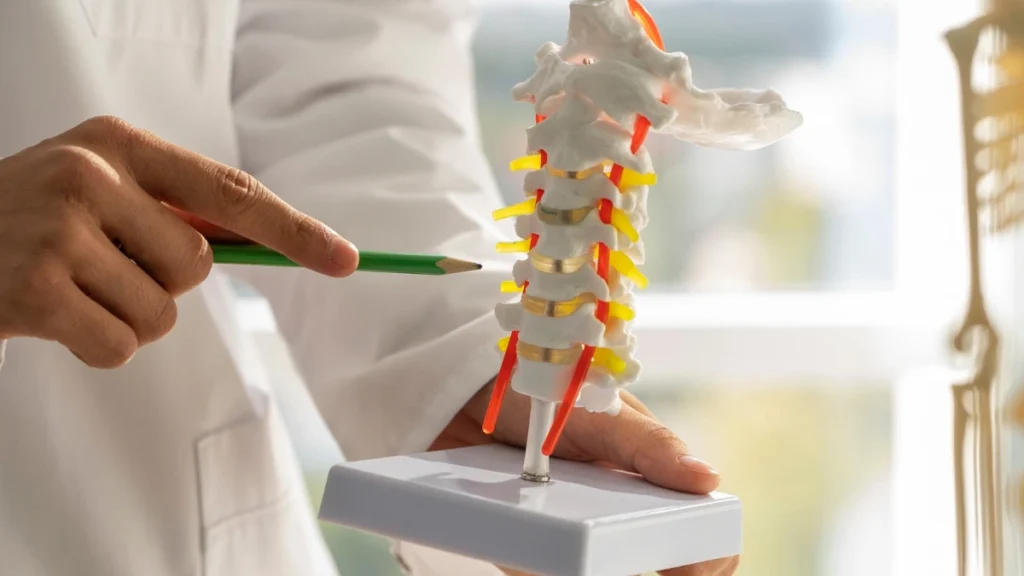
When people think about bone health, calcium usually takes center stage. Advertisements, food labels, and supplement bottles often highlight calcium as the ultimate solution for strong bones. Some may also mention vitamin D. However, bones are not simple storage units for minerals. They are living tissues that constantly rebuild, repair, and respond to physical and hormonal changes.
This is where many people are surprised: calcium alone is not enough.
For calcium to strengthen your skeleton, it needs guidance, regulation, and proper placement. Two nutrients that quietly perform these essential tasks are magnesium and vitamin K2. Without them, even a calcium-rich diet may fail to protect bone strength over time.
In this article, we will focus strictly on bone health, how bones grow, how they weaken, and how magnesium and vitamin K2 work behind the scenes to maintain skeletal integrity. Along the way, we’ll also explore their relationship with vitamin D, the aging skeleton, and why balance matters more than megadoses
Bones Are Alive and Constantly Changing
It’s easy to think of bones as solid and unchanging, but that couldn’t be further from the truth. Your skeleton is a dynamic organ system that continuously renews itself through a process known as bone remodeling.
This process involves two main types of cells,
• Osteoblasts, which build new bone
• Osteoclasts, which break down old bone
In childhood and early adulthood, bone formation outpaces bone breakdown, allowing bones to grow stronger and denser. However, as we age, this balance slowly shifts. Bone breakdown begins to exceed bone formation, leading to gradual bone loss.
Eventually, this imbalance can progress to osteopenia and later osteoporosis, a condition marked by fragile bones and increased fracture risk.
To maintain healthy remodeling, bones rely on a network of nutrients, not just calcium. Magnesium and vitamin K2 play essential roles in keeping this system working smoothly.
Why Calcium Needs Co Factors
Calcium is the main mineral found in bones, but it cannot function properly on its own. Once absorbed, calcium must be transported, regulated, and integrated into the bone matrix. If this process fails, calcium may remain unused or settle in places where it doesn’t belong.
This is why modern bone science emphasizes calcium utilization, not just calcium intake.
Magnesium and vitamin K2 act as regulators that ensure calcium is directed into bone tissue instead of drifting into soft tissues like arteries and joints.
In other words, calcium is the building material, but magnesium and vitamin K2 are the planners and quality-control inspectors.
Magnesium (The Foundation Stabilizer)
Magnesium is one of the most abundant minerals in the human body, and about 60% of it is stored in bones. Despite its importance, magnesium deficiency is surprisingly common, often due to processed diets, soil depletion, and poor absorption.
How Magnesium Supports Bone Health
First, magnesium helps regulate calcium movement. It controls how calcium enters bone-forming cells and how it is distributed throughout the body. Without enough magnesium, calcium handling becomes erratic.
Next, magnesium influences the structure of bone crystals. Bones are made of a mineralized framework called hydroxyapatite. Magnesium affects the size and stability of these crystals, helping bones remain strong yet slightly flexible.
Additionally, magnesium supports vitamin D activation. Vitamin D must be converted into its active form in the liver and kidneys, and magnesium is required for this conversion. Without magnesium, vitamin D remains partially inactive.
Finally, magnesium helps regulate inflammation. Chronic low-grade inflammation accelerates bone breakdown. Magnesium supports anti-inflammatory pathways that protect bone tissue.
What Happens When Magnesium Is Low
When magnesium intake is insufficient, the skeleton becomes more vulnerable.
Research has associated low magnesium levels with,
• Reduced bone mineral density
• Altered parathyroid hormone activity
• Increased bone fragility
• Higher fracture risk
Over time, this can weaken the bone matrix, even if calcium intake appears adequate.
This is why people who focus only on calcium may still experience bone loss, they are missing the stabilizing effect of magnesium.
Vitamin K2 (The Calcium Navigator)
Vitamin K2 is often confused with vitamin K1, but they perform different roles. Vitamin K1 is mainly involved in blood clotting. Vitamin K2, however, plays a unique role in bone and cardiovascular health.
How Vitamin K2 Protects Bones
Vitamin K2 activates special proteins that bind calcium and anchor it into bone tissue. One of the most important of these proteins is osteocalcin.
Osteocalcin is produced by osteoblasts, but it remains inactive unless vitamin K2 activates it. Once activated, osteocalcin helps incorporate calcium into the bone matrix, strengthening the structure.
Vitamin K2 also activates matrix Gla protein (MGP), which prevents calcium from depositing in blood vessels and soft tissues.
In simple terms, Vitamin K2 ensures calcium goes into bones, not into arteries.
The Magnesium and Vitamin K2 Partnership
While magnesium and vitamin K2 have independent roles, their effects on bone health overlap and complement each other.
Magnesium regulates mineral balance and cellular transport.
Vitamin K2 directs mineral placement.
Together, they,
• Improve bone mineralization
• Support structural integrity
• Reduce the risk of misplaced calcium
• Protect long-term skeletal health
This synergy becomes increasingly important with age, when bone remodeling slows and mineral regulation becomes less efficient.
The Role of Vitamin D in Bone Integration
Vitamin D is widely known for helping the body absorb calcium from the intestines. However, absorption alone does not guarantee stronger bones.
Once calcium enters the bloodstream, it must still be guided into bone tissue. This is where magnesium and vitamin K2 step in.
• Magnesium helps activate vitamin D into its usable form.
• Vitamin K2 activates osteocalcin so calcium can bind to bone.
Without these steps, high vitamin D levels may increase circulating calcium without improving bone strength.
This explains why bone health is never about a single nutrient, it is about coordination.
Aging, Hormones, and Bone Decline
Bone loss is a natural part of aging, but the rate of loss varies significantly between individuals.
In women, the decline accelerates after menopause due to falling estrogen levels. Estrogen normally helps suppress osteoclast activity. When estrogen decreases, bone breakdown speeds up.
This is why postmenopausal women are particularly vulnerable to osteoporosis.
Men also experience bone loss with age, though typically at a slower rate.
In both cases, nutrient efficiency declines, absorption may worsen, and mineral regulation becomes less precise. This makes magnesium and vitamin K2 increasingly important for maintaining bone structure.
Why Over Supplementation Can Backfire
More nutrients do not automatically mean stronger bones. Bone health depends on balance.
Excessive calcium without proper co-factors may increase the risk of,
• Arterial calcification
• Kidney stones
• Impaired bone remodeling
Likewise, extremely high intakes of individual nutrients can disrupt the delicate mineral network that bones rely on.
That’s why educational approaches to bone health now focus on synergy rather than megadoses.
Bone Supportive Foods
Food based nutrition remains the safest and most sustainable way to support long-term bone health.
Magnesium Rich Foods
Leafy greens, nuts, seeds, legumes, and whole grains provide magnesium along with fiber and antioxidants.
Vitamin K2 Sources
Fermented foods like natto, certain cheeses, egg yolks, and grass-fed dairy are natural sources of vitamin K2.
Vitamin D Sources
Sunlight exposure, fatty fish, egg yolks, and fortified foods support vitamin D levels.
Together, these foods create a nutrient environment that supports healthy remodeling.
Why This Matters More Than Ever
Modern lifestyles often work against bone health. Sedentary habits, ultra processed foods, chronic stress, and limited sun exposure all interfere with nutrient metabolism.
At the same time, osteoporosis remains a leading cause of disability worldwide, particularly in older adults.
Understanding how magnesium and vitamin K2 support the skeleton allows people to make more informed, preventative choices, long before fractures occur.
Final Thoughts
Your skeleton is not a passive framework. It is a living system that responds daily to what you eat, how you move, and how your body regulates minerals.
• Calcium builds the structure.
• Magnesium stabilizes the system.
• Vitamin K2 directs the minerals.
• Vitamin D improves absorption.
When one piece is missing, the whole structure becomes weaker.
True bone health is not about chasing single nutrients. It is about understanding how the system works, and supporting it with balance, consistency, and informed choices.
FAQs
Q1: Why is calcium alone not enough for strong bones?
Calcium provides the raw mineral material, but it cannot build strong bones by itself. Bones require proper mineral regulation, placement, and integration into the bone matrix. Magnesium helps regulate calcium movement and cellular balance, while vitamin K2 activates proteins that lock calcium into bone tissue. Without these co-factors, calcium may not be used efficiently.
Q2: How does magnesium specifically support bone strength?
Magnesium stabilizes the structure of bone crystals, supports normal parathyroid hormone activity, reduces low-grade inflammation, and helps activate vitamin D. All of these processes are essential for healthy bone remodeling and mineralization.
Q3: What makes vitamin K2 different from vitamin K1 for bone health?
Vitamin K1 is mainly involved in blood clotting, while vitamin K2 activates bone-related proteins like osteocalcin. Activated osteocalcin binds calcium into the bone matrix, strengthening bones and reducing the risk of misplaced calcium.
Q4: Can vitamin D work without magnesium and vitamin K2?
Vitamin D increases calcium absorption, but it does not control where calcium goes. Magnesium is needed to activate vitamin D, and vitamin K2 ensures calcium is deposited into bones. Without these co-factors, higher calcium absorption does not always translate into stronger bones.
Q5: Why does bone loss increase with age?
As we age, bone breakdown gradually exceeds bone formation. In women, this process accelerates after menopause due to declining estrogen levels. Aging also reduces nutrient absorption efficiency, making mineral regulation less precise.
Q6: Can food alone support magnesium and vitamin K2 intake?
Whole foods like leafy greens, nuts, seeds, fermented foods, egg yolks, and dairy provide these nutrients naturally. However, modern diets often lack these foods, which may contribute to widespread deficiencies.
Disclaimer
This article is for educational purposes only and does not replace professional medical advice. Nutrient needs vary based on individual health conditions, medications, and lifestyle factors. Always consult a qualified healthcare professional before making changes to your diet or supplement routine.
Call to Action
Your bones are living tissues that need more than just calcium to stay strong. Understanding how magnesium and vitamin K2 support bone structure empowers you to make smarter, long-term choices for skeletal health. If you found this article helpful, explore more evidence-based bone health content on our site and stay informed about how your body truly works.
References
• Rude RK, Gruber HE. Magnesium deficiency and osteoporosis: animal and human observations. Journal of Nutritional Biochemistry.
• Vermeer C. Vitamin K. the effect on health beyond coagulation. Current Opinion in Clinical Nutrition & Metabolic Care.
• Knapen MHJ et al. Three-year low-dose menaquinone-7 supplementation helps decrease bone loss. Osteoporosis International.
• Uwitonze AM, Razzaque MS. Role of magnesium in vitamin D activation and function. Journal of the American Osteopathic Association.
• Weaver CM et al. Calcium plus vitamin D supplementation and risk of fractures. New England Journal of Medicine.