


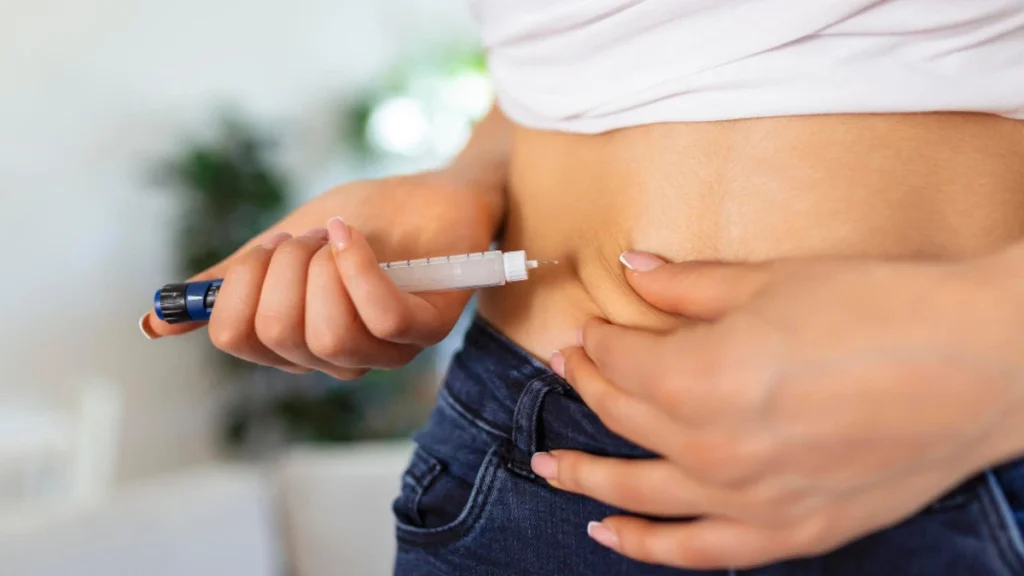
Walk into any pharmacy or scroll through health content online, and you will see dozens of supplements claiming to “fix” insulin resistance. The reality is far less glamorous, and far more important.
Supplements are not a shortcut. They do not replace lifestyle changes, and they are not substitutes for medications when clinically indicated. However, when used correctly, a small group of well researched compounds can meaningfully improve insulin sensitivity.
So instead of hype, let’s focus on what actually works, and why,
Understanding the Problem First
Before jumping into solutions, it helps to understand what insulin resistance really is.
At its core, insulin resistance means your cells are no longer responding efficiently to insulin. The pancreas compensates by producing more, leading to chronically elevated insulin levels. Over time, this contributes to rising blood glucose, metabolic dysfunction, and eventually type 2 diabetes.
Key Insight
Insulin resistance is not driven by a single pathway. It is influenced by inflammation, oxidative stress, micronutrient deficiencies, hormonal imbalances, and impaired cellular signalling. That is exactly why no single supplement works for everyone, and why targeted support can make a real difference.
The Six Core Supplements
1. Berberine, The Metabolic Workhorse
If there is one supplement that consistently delivers across multiple pathways, it is berberine.
Derived from plants like barberry, berberine activates AMPK, often referred to as the body’s metabolic “master switch.” This matters because AMPK regulates how your body uses and stores energy. Notably, this is the same pathway targeted by Metformin, a cornerstone treatment in type 2 diabetes. That comparison is not marketing spin; it is what the mechanistic literature actually shows.
What the evidence says
Multiple randomized trials and meta analyses have shown that berberine reduces fasting glucose, post meal spikes, and HbA1c. In some studies, its effects were comparable to standard oral diabetes medications. It also improves lipid profiles, something those drugs do not.
In practice, patients often report smoother post meal glucose responses and reduced cravings, likely due to improved insulin efficiency. However, tolerability matters. Gastrointestinal side effects such as bloating or loose stools are common if started at full dose. A gradual introduction significantly improves adherence.
• Dose: 500mg, two to three times daily with meals
• Evidence Strength: Strong
• Note: Use caution if you are on medications metabolized by CYP3A4 enzymes
Can you get it from diet?
Not in therapeutic amounts, but similar metabolic benefits come from bitter plant foods, polyphenol rich foods like berries and green tea, and whole unprocessed plant-based diets that naturally activate AMPK.
2. Myo-Inositol (± D-Chiro-Inositol), Restoring Insulin Signaling
While berberine works at a systemic level, inositol targets the problem more precisely, inside the cell.
Insulin does not just need to be present; its signal must be properly transmitted. Myo-inositol acts as a second messenger in insulin signaling pathways, helping glucose enter cells effectively. D-chiro-inositol, on the other hand, supports glucose utilization in tissues like muscle and fat. When these pathways are disrupted, insulin resistance worsens.
This is particularly evident in PCOS, where insulin resistance plays a central role. Clinical trials consistently show that inositol improves insulin sensitivity, lowers androgen levels, and supports ovulatory function. Even beyond PCOS, the benefits extend to general metabolic health, though with slightly less dramatic outcomes.
What the evidence says
A 2018 systematic review confirmed that a 40:1 myo to D-chiro ratio mirrors the body’s physiological ratio and produces superior outcomes compared to single-form supplements, an important formulation details most people overlook when buying off the shelf.
• Dose: 2–4 grams daily, commonly split into two doses
• Evidence Strength: Strong for PCOS, Moderate for general use
Dietary sources
Fruits (especially citrus and cantaloupe), beans, lentils, whole grains, nuts and seeds. Note that diet provides support but not the high doses used therapeutically.
3. Magnesium, Correcting the Silent Limiter
Now consider a different angle, what if insulin resistance is partly being driven by a deficiency?
Magnesium is involved in more than 300 enzymatic reactions, including those regulating insulin receptor activity. When magnesium levels are low, and they are low in a significant portion of people eating processed Western diets, insulin signaling becomes inefficient, forcing the body to compensate with higher insulin output.
What makes this especially relevant is how widespread magnesium deficiency is. Epidemiological studies consistently show that lower magnesium intake is associated with higher fasting glucose and insulin levels. Supplementing does not create an effect out of nowhere; it corrects an existing deficit that is dragging things down.
What the evidence says
A meta-analysis in Diabetes Care (2011) covering 13 cohort studies found that each 100mg per day increase in magnesium intake was associated with a 15% lower risk of developing type 2 diabetes. Intervention trials in deficient individuals show measurable improvements in HOMA-IR.
• Dose: 200–400mg daily
• Evidence Strength: Moderate to Strong (especially if deficient)
• Best Forms: Glycinate or malate, better tolerated and absorbed than oxide
Dietary sources:
Leafy greens (spinach, Swiss chard), nuts and seeds (almonds, pumpkin seeds), dark chocolate (high cocoa content), whole grains and legumes.
4. Chromium Picolinate, Amplifying Insulin’s Effect
If magnesium improves the system broadly, chromium works at a very specific point, the insulin receptor itself.
Chromium enhances the action of chromodulin, a molecule that strengthens the insulin signal once it binds to its receptor. Without adequate chromium, the receptor hears insulin knock at the door but takes longer to open. That delay accumulates across the whole day into elevated glucose and insulin levels.
The effect is not dramatic on its own, but it becomes meaningful when combined with other interventions. Among available forms, chromium picolinate shows the most consistent absorption and clinical efficacy.
What the evidence says
A review in Diabetes Technology & Therapeutics (2006) analyzing 15 double blind trials concluded that chromium picolinate supplementation significantly reduced fasting glucose and insulin in people with impaired glucose tolerance and type 2 diabetes.
• Dose: 200–1000mcg daily
• Evidence Strength: Moderate
Dietary sources
Broccoli, green beans, whole grains, eggs, lean meats, nuts. Modern diets often fall short due to food processing.
5. Alpha-Lipoic Acid, Reducing Oxidative Stress
Oxidative stress is an often-overlooked driver of insulin resistance. Over time, it damages cellular structures and directly interferes with insulin signaling.
Alpha-lipoic acid stands out because it works in both water- and fat-soluble environments, a rare quality among antioxidants, allowing it to act across virtually every tissue in the body. It improves insulin sensitivity by reducing oxidative damage and enhancing glucose uptake in muscle cells through increased GLUT-4 transporter activity.
In fact, ALA is used clinically in parts of Europe for diabetic neuropathy, highlighting its therapeutic relevance beyond just glucose. Oral supplementation still delivers measurable improvements, particularly at doses of 600mg or higher.
What the evidence says
A 2018 meta-analysis in Pharmacological Research found oral ALA significantly reduced fasting glucose and insulin resistance markers, with 600mg per day appearing as the threshold where effects become consistent across studies.
• Dose: 600mg daily, ideally taken away from meals
• Evidence Strength: Moderate to Strong
Dietary sources (limited amounts)
Spinach, broccoli, tomatoes, organ meats like liver. Dietary intake is much lower than supplement doses.
6. Vitamin D, Fixing a Foundational Deficit
Vitamin D is often associated with bone health, but its role in glucose metabolism is equally important.
Vitamin D receptors are present on pancreatic beta cells, which produce insulin. When vitamin D is low, insulin secretion becomes less efficient. Additionally, vitamin D helps regulate inflammatory pathways that contribute to insulin resistance independently of its direct effects on the pancreas.
However, this is not a “more is better” situation. Supplementation only improves insulin sensitivity in individuals who are deficient or insufficient. If levels are already adequate, additional intake offers little metabolic benefit. Testing your 25(OH)D blood level before supplementing is essential, and relatively inexpensive.
What the evidence says
A 2021 meta-analysis in Nutrition Reviews found that vitamin D supplementation significantly improved insulin resistance in individuals with deficiency or insufficiency, but produced no significant effect in those already replete.
• Dose: 1000–4000 IU daily, adjusted based on baseline blood levels
• Evidence Strength: Moderate (only if deficient)
• Note: Always take with vitamin K2 and a fat containing meal for proper absorption
Dietary sources
Sunlight (most effective), fatty fish (salmon, mackerel, sardines), egg yolks, fortified dairy products.
Supporting Add-Ons, Small Edges That Matter
These aren’t primary drivers of insulin sensitivity, but they add meaningful support. The clinical data is less robust than the core supplements, yet the mechanisms are sound and safety profiles are generally favorable. Think of them as supportive layers rather than standalone solutions.
Omega-3 Fatty Acids (EPA + DHA)
Primarily help by reducing chronic low-grade inflammation, one of the underlying contributors to insulin resistance. Their direct effect on blood glucose is modest, but the cardiovascular benefits are well established, which matters in metabolic disease.
• Typical intake: 2–4g EPA + DHA daily
• Where you get them from food: Fatty fishlike salmon, sardines, and mackerel, along with plant sources such as flaxseeds, chia seeds, and walnuts
Soluble Fiber (Psyllium Husk)
Works through a physical mechanism rather than a biochemical one. By slowing gastric emptying, it leads to a steadier, more controlled rise in blood glucose after meals. The effect is often noticeable and consistent, especially when taken before eating.
Typical intake: 5–10g before meals
Where you get support from food: Oats, barley, apples, citrus fruits, and legumes
Resveratrol
Acts on metabolic pathways like AMPK and SIRT1, which are involved in energy regulation and insulin sensitivity. While human evidence is still evolving and less consistent, it has a strong mechanistic basis and integrates well with other interventions without major safety concerns.
• Where you get it from food: Grapes, berries, peanuts.
Putting It All Together
At this point, it is tempting to combine everything at once. However, more is not always better.
A smarter approach is to build gradually,
1. Start with foundational corrections, magnesium and vitamin D if deficient
2. Add a primary metabolic agent like berberine once tolerability is established
3. Layer in targeted support such as inositol or ALA based on your individual profile
This approach improves tolerability, reduces unnecessary overlap, and makes it easier to identify what is actually working.
A Final Word of Caution
Although these supplements are generally safe at recommended doses, they are not completely free of interactions.
• Berberine can affect liver enzyme activity and interact with certain medications
• Magnesium may interfere with the absorption of certain antibiotics
• Vitamin D requires balance with vitamin K2 during long term higher dose use
If you are taking prescription medications, especially for blood glucose or blood pressure, please review your supplement plan with a qualified healthcare professional before starting.
The goal is not just to lower blood sugar temporarily. It is to restore how your body processes and responds to energy, consistently, efficiently, and over the long term. That is where real progress happens.
FAQs
Q1. What is the most effective supplement for insulin resistance?
Among all options, berberine shows the strongest and most consistent evidence for improving blood glucose, insulin sensitivity, and lipid levels. Effectiveness still depends on your overall lifestyle and metabolic profile.
Q2. Can supplements replace diet and exercise?
No, Supplements support metabolic health, but they cannot replace foundational habits like balanced nutrition, regular physical activity, and proper sleep. Without these, results are usually limited.
Q3. How long do these supplements take to show results?
Most people begin to notice improvements in 4–8 weeks, especially in post-meal glucose levels. Full metabolic benefits may take 3 months or longer depending on consistency and baseline health.
Q4. Can I take multiple supplements together?
Yes, but stacking everything at once is not ideal. A gradual approach works better, start with one or two such as magnesium and berberine, then add others based on response and need.
Q5. Are these supplements safe with diabetes medications?
Some can interact. Berberine, for example, may enhance glucose lowering effects and increase the risk of hypoglycemia when combined with drugs like Metformin. Always consult a healthcare professional before combining.
Q6. Do I still need supplements if I eat a healthy diet?
A good diet provides baseline support, but therapeutic effects, especially for compounds like inositol or alpha-lipoic acid, often require doses higher than food alone can provide.
Q7. Which deficiency should I check first?
Magnesium and vitamin D are the most common and clinically relevant deficiencies linked to insulin resistance. Testing before supplementing helps target the root cause.
Q8. Is inositol only for women with PCOS?
No, while it is especially effective in PCOS, it also supports insulin signaling in men and women with general insulin resistance.
Call to Action
If you found this guide helpful, explore more evidence-based insights on metabolic health, supplements, and disease prevention at PharmaHealths. For practical, pharmacist reviewed content that simplifies complex science into real world decisions, follow and share to help others make smarter, safer health choices.
Disclaimer
This content is for educational purposes only and does not replace medical advice. Always consult a qualified healthcare professional before starting any supplement regimen.
References
• Yin J, et al. (2008). Efficacy of berberine in type 2 diabetes. Metabolism, 57(5), 712–717.
• Zhang Y, et al. (2008). Berberine for type 2 diabetes and dyslipidemia. Journal of Clinical Endocrinology & Metabolism, 93(7), 2559–2565.
• Dong H, et al. (2012). Berberine in type 2 diabetes: Meta analysis. Evidence Based Complementary and Alternative Medicine, 591654.
• Unfer V, et al. (2012). Myo-inositol in PCOS: Systematic review. Gynecological Endocrinology, 28(7), 509–515.
• Monastra G, et al. (2017). Myo-inositol and D-chiro 40:1 ratio in PCOS. Gynecological Endocrinology, 33(8), 570–573.
• Pkhaladze L, et al. (2018). Myo-inositol for metabolic disturbances in PCOS. International Journal of Endocrinology, 1968498.
• Larsson SC, Wolk A. (2007). Magnesium intake and type 2 diabetes risk. Journal of Internal Medicine, 262(2), 208–214.
• Barbagallo M, Dominguez LJ. (2007). Magnesium and type 2 diabetes. World Journal of Diabetes, 6(10), 1152–1157.
• Mooren FC, et al. (2011). Oral magnesium reduces insulin resistance. Diabetes, Obesity and Metabolism, 13(3), 281–284.
• Broadhurst CL, Domenico P. (2006). Chromium picolinate in diabetes. Diabetes Technology & Therapeutics, 8(6), 677–687.
• Balk EM, et al. (2007). Chromium on glucose and lipids: Systematic review. Diabetes Care, 30(8), 2154–2163.
• Golbidi S, et al. (2011). Diabetes and alpha-lipoic acid. Frontiers in Pharmacology, 2, 69.
• Akbari M, et al. (2018). Alpha-lipoic acid on glucose control: Meta-analysis. Pharmacological Research, 137, 175–187.
• Pittas AG, et al. (2007). Vitamin D, calcium and type 2 diabetes. Journal of Clinical Endocrinology & Metabolism, 92(6), 2017–2029.
• Mirhosseini N, et al. (2018). Vitamin D status and glycemic control. Journal of Clinical Endocrinology & Metabolism, 103(7), 2606–2615.
• Barbarawi M, et al. (2021). Vitamin D supplementation and diabetes incidence. Nutrition Reviews, 79(5), 558–570.
• Akinkuolie AO, et al. (2011). Omega-3 and insulin sensitivity: Meta-analysis. Clinical Nutrition, 30(6), 702–707.
• Gao H, et al. (2017). Fish oil and insulin sensitivity: Systematic review. Lipids in Health and Disease, 16(1), 131.
• Gibb RD, et al. (2015). Psyllium fiber and glycemic control. American Journal of Clinical Nutrition, 102(6), 1604–1614.
• Liu K, et al. (2014). Resveratrol on glucose control: Meta-analysis. American Journal of Clinical Nutrition, 99(6), 1510–1519.
• Hausenblas HA, et al. (2015). Resveratrol in type 2 diabetes management. Molecular Nutrition & Food Research, 59(1), 147–159.