


Introduction
Diabetes mellitus is a long-term metabolic condition that requires consistent lifestyle management alongside medical care. As interest grows in food-based strategies that support glycemic control, bitter gourd (Momordica charantia), commonly known as karela or bitter melon, has attracted attention for its potential blood-sugar–lowering properties.
Traditionally used in Asian and African diets, bitter gourd is often discussed as a “natural aid” for diabetes. But how strong is the evidence? This article breaks down what research actually shows about bitter gourd, how it may work in the body, and how it can be used safely as part of a diabetes friendly diet.
What Is Bitter Gourd?
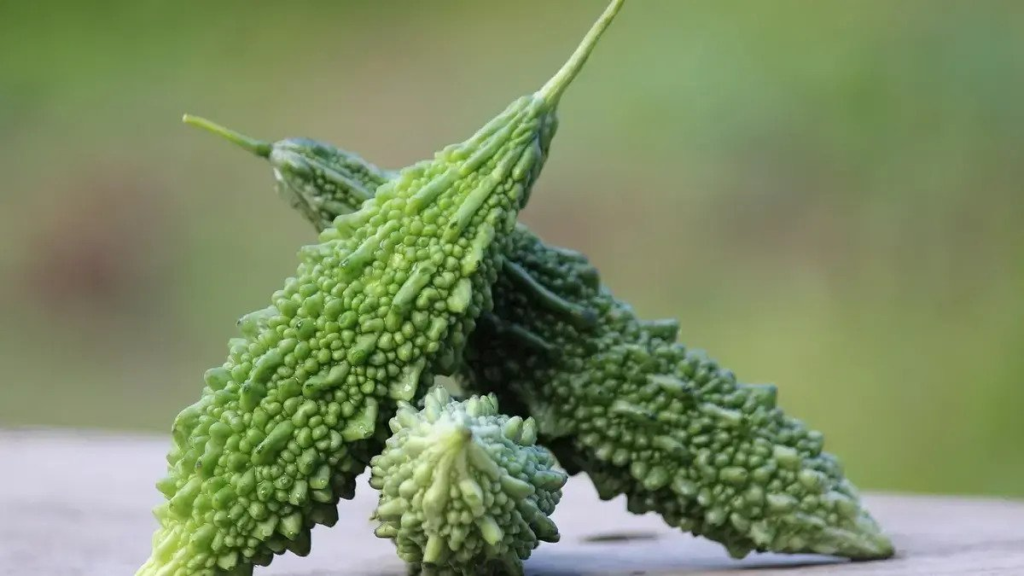
Bitter gourd is a tropical vegetable from the Cucurbitaceae family. Despite its sharp bitterness, it is widely consumed in cooked dishes, juices, and supplements. Its health interest comes from naturally occurring bioactive compounds, including charantin, polypeptide-p, and vicine, which are being studied for their metabolic effects.
Traditional use does not equal proven treatment, but it often provides clues worth investigating, and bitter gourd is a classic example.
How Bitter Gourd May Support Blood Sugar Control
Researchers have proposed several mechanisms through which bitter gourd may influence glucose metabolism. These are best understood as supportive actions, not replacements for medical therapy.
Insulin-Like Activity
Certain compounds in bitter gourd appear to act in an insulin mimetic manner, meaning they may help cells absorb glucose more efficiently. Experimental studies suggest stimulation of pancreatic beta-cell activity and improved peripheral glucose uptake.
Antioxidant Effects
Chronic high blood sugar increases oxidative stress, which contributes to diabetes complications. Bitter gourd contains phenolic compounds and flavonoids that demonstrate antioxidant activity in laboratory and animal studies, potentially supporting cellular protection.
Slower Carbohydrate Absorption
Some evidence suggests bitter gourd may inhibit digestive enzymes involved in carbohydrate breakdown, leading to slower glucose absorption and more stable post-meal blood sugar levels.
These mechanisms help explain why bitter gourd is being studied, but they should not be overstated.
What Do Human Studies Show?
Clinical evidence on bitter gourd is promising but mixed, largely due to small study sizes and short durations.
• Short term trials have shown modest reductions in fasting blood glucose and HbA1c in people with type 2 diabetes.
• Some studies also report improvements in lipid profiles, suggesting possible cardiovascular benefits.
• Results vary depending on preparation (juice, powder, extract), dose, and baseline glucose control.
Overall, bitter gourd appears to offer adjunct support, not a standalone solution.
Practical Ways to Use Bitter Gourd
For those who enjoy or tolerate it, bitter gourd can be included in everyday meals.
• Cooked Forms
Stir fried, sauteed, or added to curries and soups. Cooking reduces bitterness while preserving most bioactive compounds.
• Fresh Juice
Often consumed in small amounts. Because juice may lower blood sugar more rapidly, glucose monitoring is important.
• Supplements
Capsules or tablets provide standardized dosing, but quality varies. Choose products with transparent labeling and third-party testing.
Dietary use should always complement, not replace, prescribed treatment.
Safety, Side Effects, and Precautions
Bitter gourd is generally safe when consumed as a food. However,
• Excess intake may cause gastrointestinal discomfort.
• Combined use with insulin or oral antidiabetic drugs may increase the risk of hypoglycemia.
• It is not recommended during pregnancy due to potential reproductive effects seen in animal studies.
Professional guidance is essential for anyone managing diabetes.
Conclusion
Bitter gourd (Momordica charantia) is a nutrient rich vegetable with biologically active compounds that may support blood sugar regulation. Scientific evidence suggests modest benefits through insulin-like activity, antioxidant effects, and slower glucose absorption.
That said, it is best viewed as a dietary ally, not a cure. Thoughtful inclusion alongside medical care, balanced nutrition, and regular monitoring is the most responsible approach.
As research continues, bitter gourd remains an interesting example of how traditional foods and modern science can intersect, carefully and thoughtfully.
FAQs
Q1: Can bitter gourd cure diabetes?
No, Bitter gourd does not cure diabetes. It may help support blood sugar control when used alongside medical treatment and lifestyle measures.
Q2: Is bitter gourd safe with diabetes medications?
It can be, but caution is needed. Because it may lower blood glucose, combining it with medications can increase the risk of hypoglycemia. Medical advice is recommended.
Disclaimer
This article is for educational purposes only and does not replace professional medical advice. Dietary changes for diabetes should always be discussed with a qualified healthcare provider.
Call to Action
Interested in food-based strategies for better blood sugar control? Focus on evidence backed choices, portion awareness, and consistency, and always align dietary habits with professional medical guidance.
References
• Journal of Ethnopharmacology, Human and experimental studies on glucose-lowering effects
• Journal of Medicinal Food, Antioxidant properties of bitter gourd extracts
• Journal of Clinical Biochemistry and Nutrition, Clinical trial data in type 2 diabetes
• International Journal of Food Sciences and Nutrition, Dietary supplementation and metabolic outcomes
• Phytotherapy Research, Review of mechanisms and safety considerations