


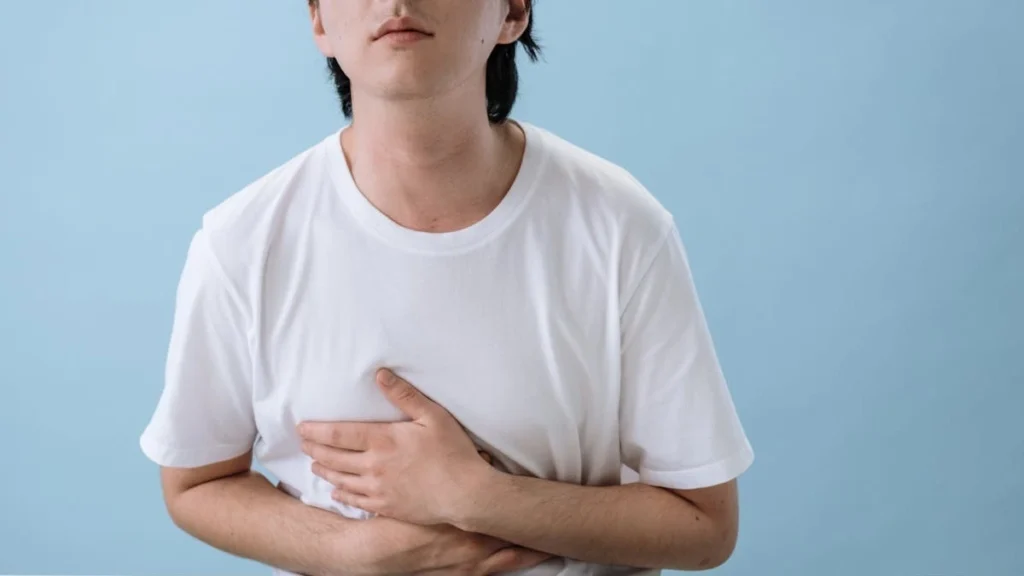
If you’ve ever had a stomach bug tear through your household, you already know how fast it spreads. One person starts feeling queasy on Monday, and by Wednesday, everyone’s taking turns in the bathroom. The question most people are frantically Googling, usually while still feeling terrible, is: how long is this thing actually contagious?
The honest answer? A little longer than most people expect, and that’s exactly why stomach bugs are so good at making the rounds.
What Is a Stomach Bug, exactly?
“Stomach bug” is the everyday term for viral gastroenteritis, an infection of the stomach and intestines that causes nausea, vomiting, diarrhoea, stomach cramps, and sometimes a mild fever. Despite being called a stomach flu, it has nothing to do with influenza. The two most common culprits are norovirus and rotavirus, with norovirus responsible for the vast majority of cases in adults and older children.
Norovirus alone is remarkably common. According to the NHS, it affects around 600,000 to 800,000 people in the UK every year, and globally, the Centers for Disease Control and Prevention (CDC) estimates that norovirus causes approximately 685 million cases of acute gastroenteritis annually. In other words, this isn’t a rare illness, it’s one of the most common infections worldwide.
How Long Are You Actually Contagious?
Here’s where it gets important. and where a lot of people get it wrong.
Most people assume they stop being contagious once they feel better. Unfortunately, that’s not quite true.
With norovirus, you become contagious almost as soon as the virus enters your system, often before symptoms even begin. Research published in the Journal of Infectious Diseases found that viral shedding can start within 12 hours of exposure, which means you can unknowingly pass the virus to others before you’ve felt a single wave of nausea.
Once symptoms hit, contagiousness peaks during the acute phase, typically the first 24 to 48 hours when vomiting and diarrhoea are at their worst. This is when the risk of spreading it to others is at its highest. But here’s the part most people miss: studies show that individuals can continue shedding norovirus in their stool for up to two weeks after symptoms resolve, even when they feel completely well. In people with weakened immune systems, that shedding period can extend even further.
In short: you’re contagious before symptoms start, highly contagious during illness, and still potentially contagious even after you feel better.
The NHS advises that you should not return to work, school, or any shared environment until at least 48 hours after your last episode of vomiting or diarrhoea, and that guidance exists precisely because of this extended contagious window.
How Does It Spread So Easily?
Norovirus is, by any measure, an extraordinarily efficient pathogen. Research suggests that as few as 18 viral particles are enough to cause infection, a dose so small it’s invisible and virtually undetectable in normal daily contact.
That tiny infectious dose is a big reason outbreaks escalate so quickly.
It spreads through,
• Person to person contact, direct contact with an infected person, or touching surfaces they’ve touched. The virus can survive on hard surfaces for days, and even weeks in some conditions, according to research in the journal Eurosurveillance.
• Contaminated food and water, norovirus is a leading cause of foodborne illness worldwide. Leafy greens, shellfish (particularly oysters), and fresh produce are commonly implicated. The CDC notes that infected food handlers are responsible for a significant proportion of norovirus outbreaks in restaurant settings.
• Aerosolized particles, vomiting episodes can release tiny infectious droplets into the air, which can then settle on nearby surfaces or be inhaled. This is one reason outbreaks spread rapidly in enclosed environments like cruise ships, care homes, schools, and hospital wards.
What About Rotavirus in Children?
Rotavirus, which is more common in young children, spreads similarly, primarily via the faecal-oral route, and was once a leading cause of severe childhood gastroenteritis globally. While it doesn’t spread quite as explosively as Norovirus in adults, it remains a major cause of illness in young children.
Since the introduction of the rotavirus vaccine (offered routinely to babies as part of national immunization programmes in many countries), hospitalizations from rotavirus in children have dropped substantially. A study published in The Lancet found that rotavirus vaccination programmes have prevented millions of severe cases in children under five worldwide. This is one of the more successful examples of vaccination reducing a common childhood infection globally.
How Long Does a Stomach Bug Last?
Most cases of viral gastroenteritis are short-lived. Norovirus typically runs its course in one to three days in otherwise healthy adults. Rotavirus in young children can last slightly longer. usually, three to eight days. Bacterial causes of gastroenteritis (such as Salmonella or Campylobacter, often linked to undercooked food) may last longer and sometimes require medical treatment, though viral stomach bugs generally do not.
The duration can feel much worse than it sounds when you’re in the middle of it, but the real risk, especially for the very young, elderly, and immunocompromised, is dehydration. Vomiting and diarrhea can cause fluid and electrolyte losses faster than most people realize. NHS guidance recommends taking regular small sips of water, and oral rehydration solutions (available over the counter at pharmacies) are particularly useful for replacing lost salts and sugars, especially in children and older adults.
What Actually Stops It Spreading?
Given how easily and how silently a stomach bug spreads, hygiene becomes the most powerful tool available.
1. Handwashing is non-negotiable. And this is worth emphasizing, alcohol-based hand sanitizers, while effective against many pathogens, are not reliably effective against norovirus. Research published in Clinical Infectious Diseases demonstrated that thorough handwashing with soap and water is significantly more effective at reducing norovirus on hands than alcohol gel alone. In this case, old-fashioned soap and water genuinely outperform hand sanitiser.
2. Disinfect surfaces properly. Norovirus is resistant to many standard household cleaners. A bleach based disinfectant solution is recommended by public health agencies, including the NHS and CDC, for cleaning bathrooms, door handles, taps, and any surfaces the infected person has touched.
3. Wash contaminated laundry promptly. Clothing and bedding should be washed at 60°C or higher, and handled with gloves where possible to avoid hand contamination.
4. Stay home. This one sound obvious, but it’s consistently where transmission breaks down. The 48-hour rule after the last symptom, as recommended by the NHS, is not overly cautious. It directly reflects how long peak contagiousness can persist.
When Should You See a doctor?
Most stomach bugs don’t need a doctor visit or emergency treatment. However, there are situations where medical advice is genuinely important,
• Symptoms lasting more than three days without improvement
• Signs of significant dehydration, dry mouth, dizziness, reduced urination, or in children, no wet nappy for several hours
• Blood in vomit or stool
• A high fever alongside gastrointestinal symptoms
• Symptoms in a very young baby, elderly person, or someone who is pregnant or immunocompromised
In these situations, getting medical advice early can prevent complications and speed up recovery.
The Bottom Line
A stomach bug is contagious before symptoms start, highly contagious during the acute phase, and can still be transmitted for up to two weeks after you feel better. That timeline is longer than most people assume, and it’s the reason these infections spread so effectively in families, schools, care homes, and workplaces.
The 48-hour rule before returning to shared spaces is one of the most practical and evidence-supported pieces of public health guidance there is, and combined with proper handwashing and surface disinfection, it genuinely does reduce transmission.
If you remember just one thing, feeling better doesn’t mean you’re no longer contagious.
Stomach bugs are miserable while they last. But understanding how and how long they spread puts you in a much stronger position to protect yourself and the people around you.
FAQS
Q1: How long is a stomach bug contagious after symptoms stop?
You can still pass a stomach bug to others even after you feel completely better. With norovirus, the most common cause, research shows viral shedding in stool can continue for up to two weeks after symptoms resolve. This is why the NHS recommends staying away from work, school, and shared spaces for at least 48 hours after your last episode of vomiting or diarrhoea, not just until you feel well.
Q2: Can you catch a stomach bug before the other person shows symptoms?
Yes, and this is one of the reasons norovirus spreads so efficiently. Viral shedding can begin within 12 hours of exposure, meaning an infected person can pass the virus on before they feel any symptoms at all. By the time nausea or vomiting starts, they may have already been contagious for hours.
Q3: Is a stomach bug the same as food poisoning?
Not exactly, though the symptoms can look very similar. A stomach bug is caused by a virus, most commonly norovirus or rotavirus, while food poisoning is typically caused by bacteria such as Salmonella, Campylobacter, or E. coli from contaminated food. Both cause nausea, vomiting, and diarrhoea, but bacterial food poisoning can sometimes last longer and may occasionally require antibiotic treatment, whereas viral gastroenteritis generally clears on its own within a few days.
Q4: Should I take antibiotics for a stomach bug?
No, Viral gastroenteritis does not respond to antibiotics, antibiotics only work against bacterial infections, not viruses. Taking antibiotics unnecessarily also contributes to antibiotic resistance, which is a growing global health concern. The mainstay of treatment for a stomach bug is rest, staying well hydrated, and using oral rehydration solutions if needed. If symptoms are severe or prolonged, speak to a pharmacist or doctor before reaching for any medication.
Q5: How do I stop a stomach bug from spreading through my household?
The most important steps are washing hands thoroughly with soap and water, not just hand sanitizer, as alcohol gel is not reliably effective against norovirus, and disinfecting surfaces with a bleach based cleaner. Keep the infected person’s towels and bedding separate, wash them at 60°C or above, and ensure they are using a dedicated bathroom if possible. Anyone who is unwell should stay home and avoid preparing food for others until at least 48 hours after their last symptom.
Q6: When does a stomach bug become a medical emergency?
Most stomach bugs are unpleasant but self-limiting. However, you should seek medical attention if symptoms last more than three days, if there is blood in vomit or stool, if there are signs of significant dehydration such as dizziness, dry mouth, reduced urination, or in young children, no wet nappy for several hours. A high fever alongside gastrointestinal symptoms, or illness in a very young baby, elderly person, pregnant woman, or someone who is immunocompromised, also warrants prompt medical assessment.
Q7: Can you get a stomach bug more than once?
Yes, unfortunately. Unlike some infections, norovirus does not confer long lasting immunity. There are also multiple strains of norovirus circulating at any one time, so having one strain offers limited protection against others. This is why some people seem to catch a stomach bug several times in the same winter season, and why norovirus outbreaks recur year after year in schools, care homes, and workplaces.
Call to Action
If this helped you understand how stomach bugs spread, and how to protect your household, save this article for the next time someone in your home goes down with one. For more evidence-based health guidance, explore more articles on PharmaHealths.com.
Disclaimer
The information in this article is intended for general educational purposes only and does not constitute medical advice. It should not be used as a substitute for professional medical consultation, diagnosis, or treatment. If you or someone in your care is experiencing severe or prolonged symptoms, please seek advice from a qualified healthcare professional or contact your local health service.
References
• NHS. Norovirus (vomiting bug). NHS.uk
• Centers for Disease Control and Prevention (CDC). Norovirus: worldwide. CDC.gov
• Atmar RL, et al. Norwalk virus shedding after experimental human infection. Journal of Infectious Diseases, 2008
• Lopman BA, et al. Environmental transmission of norovirus gastroenteritis. Eurosurveillance, 2012
• Repp KK, Keene WE. A point-source norovirus outbreak caused by exposure to fomites. Journal of Infectious Diseases, 2012
• Liu L, et al. Global, regional, and national causes of child mortality. The Lancet, 2015 (rotavirus vaccine impact data)
• Gehrke C, et al. Inactivation of norovirus and adenovirus by commercially available alcohol-based hand disinfectants. Clinical Infectious Diseases, 2004
• NHS. Rotavirus vaccine overview. NHS.uk
• World Health Organization (WHO). Rotavirus vaccines: WHO position paper. Weekly Epidemiological Record, 2013