


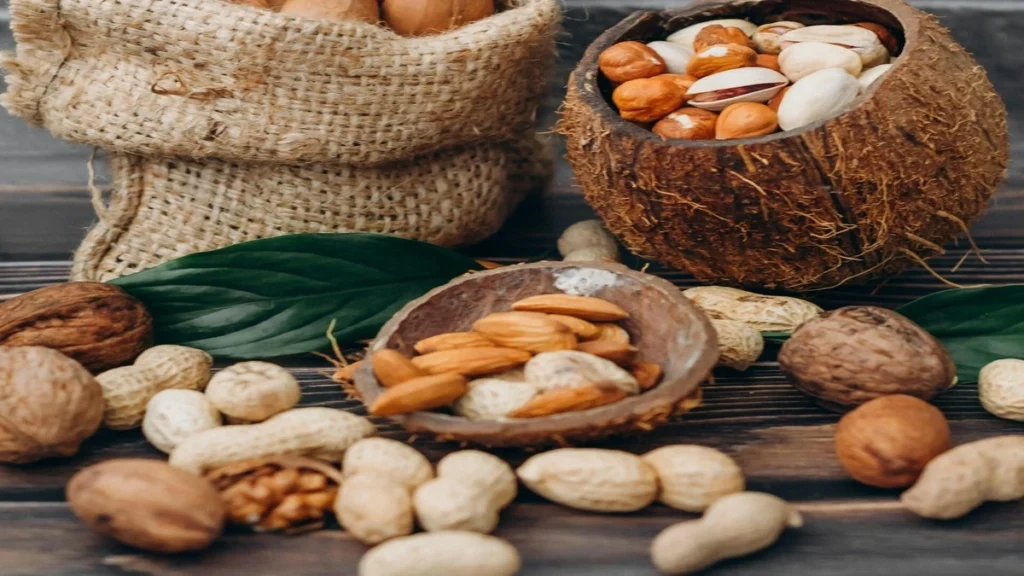
Nut butters have quietly become nutrition superstars. From breakfast smoothies to evening snacks, peanut, almond, and cashew butter appear everywhere in modern diets. They are convenient, rich in nutrients, and surprisingly versatile.
However, a common question often arises: Which nut butter is actually the healthiest?
At first glance, almond butter often receives the spotlight for its vitamins and minerals. Yet peanut butter remains one of the most nutritionally practical foods, especially for older adults who need easy sources of protein and energy.
At the same time, social media discussions have raised concerns about mold or fungus in peanut butter, leaving many people confused about its safety.
So, let’s take a closer look at the science. Understanding the nutritional differences, the role of peanut butter in healthy aging, and the truth about mold contamination can help you make a smarter choice for your diet.
First, Why Nut Butters Are Considered Healthy
Before comparing them, it helps to understand why nut butters in general are often recommended by nutrition experts.
In essence, these spreads concentrate the nutrients naturally found in nuts. As a result, they provide several important benefits in a small serving.
For example, most nut butters contain,
• heart healthy unsaturated fats
• plant-based protein
• fiber for digestive health
• vitamins and minerals that support metabolism
Because of this combination, regular nut consumption has been linked with improved cardiovascular health and better metabolic balance.
In fact, research published in the American Journal of Clinical Nutrition shows that people who frequently consume nuts may have a lower risk of heart disease and metabolic disorders.
However, despite these shared benefits, the three most popular nut butters have different nutritional strengths.
Peanut Butter (A Powerful Protein Source)
To begin with, peanut butter stands out for its high protein content.
Two tablespoons typically provide about 7 to 8 grams of protein, which is slightly higher than most other nut butters.
This matters because protein supports several essential body functions, including muscle maintenance, immune defense, and tissue repair.
Moreover, peanut butter contains key nutrients such as,
• niacin (vitamin B3)
• folate
• antioxidants like resveratrol
Together, these nutrients help support energy metabolism, nerve function, and heart health.
Another advantage is affordability, when compared with other nut butters, peanut butter is widely accessible and budget friendly, making it easier for families to include in everyday meals.
Almond Butter (Rich in Vitamins and Mineral)
On the other hand, almond butter shines in micronutrients.
Specifically, it contains higher amounts of vitamin E, calcium, and fiber than peanut butter.
• Vitamin E acts as a powerful antioxidant that protects cells from oxidative stress.
• Meanwhile, calcium supports bone strength and nerve signaling.
• Additionally, the fiber content in almond butter can help support digestion and promote satiety.
For individuals looking to increase antioxidant intake, almond butter may therefore offer a slight nutritional edge.
Cashew Butter (Creamy and Mineral-Rich)
Meanwhile, cashew butter offers its own unique benefits.
Although it contains slightly less protein and fiber, it provides minerals such as,
• iron
• zinc
• selenium
These nutrients play important roles in immunity, oxygen transport, and thyroid function.
Cashew butter also has a naturally creamy texture that many people enjoy, making it a popular ingredient in sauces and plant-based recipes.
Why Peanut Butter Can Be Especially Helpful for Older Adults
Now let’s focus on an important but often overlooked benefit.
Peanut butter can be particularly useful for supporting nutrition in older adults.
As people age, maintaining muscle strength becomes more challenging. This gradual loss of muscle mass is known as sarcopenia, and it can increase the risk of weakness, falls, and reduced mobility.
Consequently, adequate protein intake becomes crucial.
1. Supports Muscle Maintenance
Because peanut butter is rich in protein, it can help older adults maintain muscle mass.
Research published in the Journal of Nutrition, Health and Aging suggests that higher protein intake helps preserve physical function and muscle strength in aging populations.
Furthermore, peanut butter is soft and easy to eat, making it a practical option for seniors who may have difficulty chewing tougher protein foods.
2. Provides Energy in Small Portions
In addition, peanut butter is energy dense, meaning it provides calories and nutrients in a small serving.
This is particularly helpful because many older adults experience reduced appetite. Smaller meals can sometimes lead to inadequate calorie intake.
However, adding a spoonful of peanut butter to oatmeal, smoothies, or whole grain toast can easily increase nutritional intake without requiring large portions.
3. Supports Heart Health
Equally important, peanut butter contains mostly monounsaturated fats, the same heart friendly fats found in olive oil.
These fats may help improve cholesterol balance by lowering LDL (bad cholesterol) while supporting HDL (good cholesterol).
Considering that cardiovascular disease remains one of the leading health concerns in older adults, including heart healthy fats in the diet is beneficial.
The Social Media Myth (Is Mold in Peanut Butter Dangerous?)
Recently, social media posts have raised concerns about fungus or mold contamination in peanut butter.
This discussion usually revolves around substances called aflatoxins.
Aflatoxins are toxins produced by certain fungi that can grow on crops like peanuts and corn under poor storage conditions.
In very high amounts, these toxins can be harmful to the liver.
However, here is the important context.
Modern food safety regulations strictly control aflatoxin levels in peanuts and peanut products.
Organizations such as the U.S. Food and Drug Administration and international food safety authorities set extremely low safety limits.
Before peanuts are used to make peanut butter, they undergo several quality control steps,
• inspection during harvesting
• careful storage conditions
• roasting processes that reduce fungal growth
• laboratory testing for toxin levels
Because of these safety procedures, commercially produced peanut butter contains aflatoxin levels far below harmful limits.
Therefore, while contamination can theoretically occur in poorly stored raw peanuts, regulated peanut butter products are generally considered safe.
How to Choose the Healthiest Nut Butter
Even though nut butters are nutritious, not all products on store shelves are equal.
For the healthiest option, look for products with simple ingredient lists.
Ideally, the jar should contain only,
• nuts
• possibly a small amount of salt
• Avoid products with added sugar, hydrogenated oils, or artificial ingredients.
Additionally, moderation is important. Nut butters are nutrient dense but also calorie dense. A typical serving size is about two tablespoons.
Finally, variety can be beneficial. Rotating between peanut, almond, and cashew butter allows you to benefit from a broader range of nutrients.
The Bottom Line
Each nut butter has its own strengths.
Almond butter offers higher levels of vitamin E and fiber. Cashew butter provides important minerals. Meanwhile, peanut butter delivers protein, healthy fats, and affordability.
For older adults in particular, peanut butter can help support muscle strength, energy intake, and heart health when included in a balanced diet.
Concerns about mold contamination are understandable but largely exaggerated when it comes to commercially produced peanut butter that meets strict food safety standards.
Ultimately, the healthiest choice is not about selecting a single perfect nut butter. Instead, it is about choosing natural, minimally processed options and enjoying them in moderation as part of a varied diet.
Sometimes the simplest foods, like a spoonful of peanut butter on whole grain toast, quietly provide some of the most powerful nutritional benefits.
FAQ
Q1: Can older adults eat peanut butter daily?
Yes, in moderate portions, peanut butter can provide protein, healthy fats, and essential nutrients that support muscle strength, energy levels, and heart health in older adults.
Call to Action
If you found this article helpful, share it with friends or family members who want simple, science-based nutrition tips for healthier aging.
Disclaimer
This article is for educational purposes only and should not replace professional medical advice. Individuals with allergies or specific health conditions should consult a healthcare professional before making dietary changes.
References
• American Journal of Clinical Nutrition, Research on nut consumption and cardiovascular health.
• Journal of Nutrition, Health and Aging, Evidence linking protein intake with muscle preservation in older adults.
• National Institutes of Health, Nutritional composition and health benefits of peanuts and tree nuts.
• U.S. Food and Drug Administration, Safety regulations and monitoring of aflatoxin levels in peanuts and peanut products.