


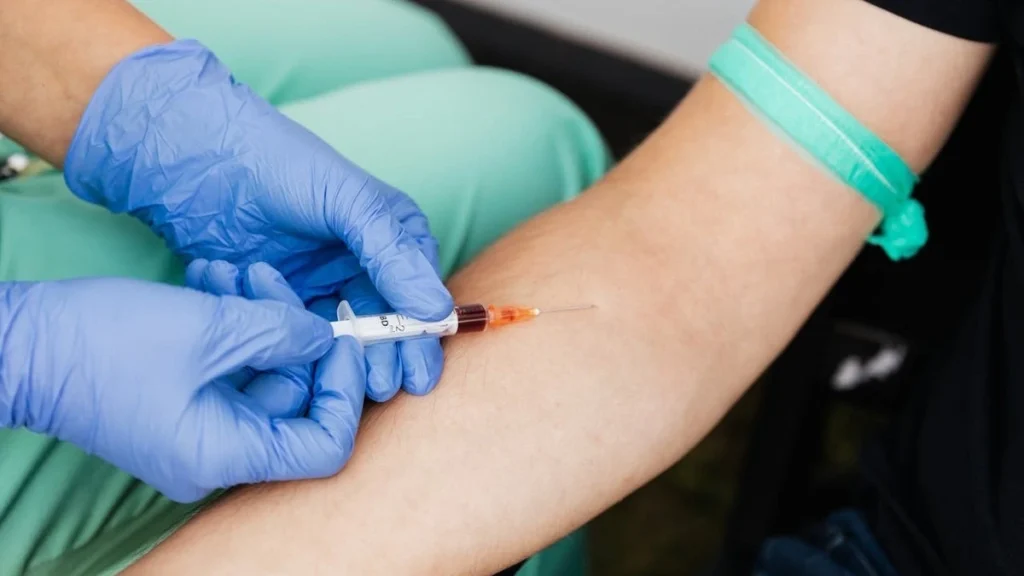
There is a quiet irony in modern healthcare. People will check their weight every morning, count every calorie, and track their steps obsessively, yet many have never once looked at their HbA1c. And yet, this single number tells you more about your long-term metabolic health than almost any other test your GP can order. It does not care what you ate yesterday or whether you had a stressful morning before your blood draw. It looks back across the last two to three months and gives an honest, unflinching account of how your blood sugar has really been behaving. For anyone serious about their health, diabetic or not, understanding HbA1c is not optional. It is essential.
So, What Exactly Is HbA1c?
HbA1c stands for glycated hemoglobin. Think of hemoglobin as a tiny delivery vehicle inside your red blood cells, its main job is to carry oxygen from your lungs to every corner of your body. When there is too much glucose circulating in your bloodstream, some of it starts sticking to these delivery vehicles like unwanted baggage. The more glucose in your blood over time, the more vehicles get loaded up with it. Scientists call this process glycation, and measuring how many of your hemoglobin vehicles have been affected, expressed as a percentage, is exactly what the HbA1c test does.
Because these red blood cell vehicles have a lifespan of roughly 90 to 120 days, the test gives a reliable picture of your average blood sugar across that entire period, not just a single moment in time. A 2019 review published in Diabetes Care confirmed HbA1c remains one of the most clinically validated tools for diagnosing and monitoring type 2 diabetes precisely because it cannot be manipulated by short term dietary changes, unlike a fasting glucose test, which reflects only a single snapshot in time.
Understanding the Numbers
This is where things get genuinely interesting, and where a surprising number of people misread their results.
An HbA1c below 5.7% is classified as normal by both NICE guidelines and the American Diabetes Association. Most people in this range feel reassured, and rightly so. However, research published in JAMA Internal Medicine found that optimal cardiovascular and metabolic risk appears to cluster between 5.0% and 5.4%, suggesting that sitting at 5.6% is technically normal but not necessarily ideal. Small distinctions, but worth knowing.
A result between 5.7% and 6.4% places you in the prediabetes category. This is your amber warning, blood sugar is running consistently higher than it should, and the pancreas is likely working harder than it ought to be. The landmark Diabetes Prevention Programmed study demonstrated that people in this range who made targeted lifestyle changes, primarily dietary adjustment and 150 minutes of moderate exercise per week, reduced their progression to type 2 diabetes by 58%. The window is open, but it does not stay open indefinitely.
At, 6.5% or above, confirmed on two separate occasions, the clinical diagnosis is type 2 diabetes. From here, the conversation shifts from prevention to management. NICE recommends an HbA1c target of 48 mmol/mol (6.5%) for most people newly diagnosed and managed with lifestyle alone, rising to 53 mmol/mol (7.0%) for those on glucose lowering medications where hypoglycemia becomes a consideration.
Once HbA1c climbs above 8.0%, or 64 mmol/mol, glycemic control is considered poor, and the risk of long-term microvascular complications rises significantly. A landmark study from the UKPDS group showed that every 1% reduction in HbA1c was associated with a 37% reduction in microvascular complications and a 21% reduction in diabetes related deaths. These are not small numbers. They are the reason pharmacists and clinicians push so hard for tight control.
But Is a Very Low HbA1c Always Good News?
Here is the part most people do not expect. A reading below 4.5% is not a trophy. It can actually signal problems. Hemolytic anemia, liver disease, or chronic hypoglycemia can all artificially lower HbA1c by reducing red blood cell lifespan or by keeping blood glucose dangerously low. From a pharmacist’s perspective, patients on insulin or sulphonylureas who come in with an HbA1c of 4% need a careful review, not a congratulatory pat on the back.
Tight control in the wrong clinical context increases the risk of hypoglycaemic episodes, which carry their own serious cardiovascular risks, particularly in older adults. The ACCORD trial, which aimed for near normal HbA1c in high-risk patients with type 2 diabetes, was actually halted early due to increased mortality in the intensive treatment group. Context, always, matters enormously.
What Affects Your HbA1c Beyond Diet?
Several factors can influence HbA1c in ways that are not immediately obvious to patients. Chronic kidney disease, iron deficiency anemia, and pregnancy can all skew results, in either direction depending on the mechanism. Certain haemoglobin variants, more common in people of African, South Asian, and Mediterranean heritage, can interfere with standard HbA1c assays entirely, requiring alternative testing methods. This is something worth raising with your GP if you have a known haemoglobin variant and are being monitored for blood sugar concerns.
From a lifestyle perspective, emerging evidence continues to support the role of dietary fiber, sleep quality, and stress management in HbA1c regulation.
A 2021 meta-analysis in Nutrients found that high fibre dietary interventions produced statistically significant reductions in HbA1c across both diabetic and prediabetic populations, independent of caloric intake. Poor sleep and elevated cortisol from chronic stress independently drive glucose dysregulation, which HbA1c will dutifully record over the following months whether you acknowledge it or not.
The Takeaway
HbA1c is one of the most honest conversations your blood can have with your doctor. Below 5.7% is where you want to be, ideally closer to the 5.0% to 5.4% range if metabolic health is a priority for you. Between 5.7% and 6.4% is a clear signal to act, not to wait. At 6.5% and above, structured management is essential. And at 8% or higher, the urgency cannot be overstated. Understanding these thresholds is not about alarming yourself, it is about giving yourself the clearest possible picture of where you stand and what, if anything, needs to change. Because unlike your bathroom scales, HbA1c does not lie.
FAQs
Q1. What is a normal HbA1c level?
A normal HbA1c is below 5.7%. However, research suggests the metabolic sweet spot sits between 5.0% and 5.4%, where cardiovascular and blood sugar risks appear lowest. Anything below 5.7% is reassuring, but closer to 5.0% is considered optimal by many clinicians.
Q2. What HbA1c level means I have prediabetes?
A reading between 5.7% and 6.4% indicates prediabetes. This does not mean diabetes is inevitable, targeted lifestyle changes at this stage can reduce your risk of progression by over 50%, according to the Diabetes Prevention Programme study.
Q3. At what HbA1c level is diabetes diagnosed?
Type 2 diabetes is diagnosed when HbA1c reaches 6.5% or above, confirmed on two separate occasions. Your GP or practice nurse will guide you through next steps, which may include lifestyle intervention, medication review, or referral to a diabetes specialist.
Q4. Is a very low HbA1c always a good sign?
Not necessarily, A result below 4.5% can sometimes indicate underlying issues such as haemolytic anaemia, chronic hypoglycaemia, or certain liver conditions. If you are on insulin or sulphonylureas and your HbA1c is unusually low, speak to your pharmacist or GP, it warrants a clinical review rather than reassurance.
Q4. Can anything other than diet affect my HbA1c?
Yes, Iron deficiency anaemia, chronic kidney disease, pregnancy, and certain haemoglobin variants can all alter HbA1c readings. Poor sleep and chronic stress also raise blood sugar over time, which your HbA1c will reflect. Always interpret results in the context of your full health picture.
Q5. How often should I have my HbA1c tested?
If you have type 2 diabetes, NICE recommends testing every three to six months until your levels are stable, then every six months thereafter. If you are in the prediabetes range or have risk factors such as obesity, a family history of diabetes, or PCOS, annual testing is advisable.
Call To Action
Your HbA1c is one of the most telling numbers in your health profile, and now you know exactly what it means. If your last result gave you pause, or if you have never had one tested, this is your prompt to book that review. At PharmaHealths, we break down the clinical evidence into straightforward, honest guidance so you can make informed decisions about your health. Browse our blood sugar and metabolic health series for more, or share this article with someone whose numbers deserve a closer look.
Disclaimer
This article is intended for informational purposes only and does not constitute medical advice. HbA1c interpretation should always be carried out in the context of your individual health history by a qualified healthcare professional. If you have concerns about your blood sugar levels or diabetes risk, please consult your GP, practice pharmacist, or diabetes care team.
References
• American Diabetes Association. Standards of Medical Care in Diabetes. Diabetes Care, 2023.
• Knowler WC et al. Reduction in the incidence of type 2 diabetes with lifestyle intervention or metformin. New England Journal of Medicine, 2002.
• UK Prospective Diabetes Study Group. Intensive blood-glucose control with sulphonylureas or insulin compared with conventional treatment. Lancet, 1998.
• Action to Control Cardiovascular Risk in Diabetes Study Group. Effects of intensive glucose lowering in type 2 diabetes. New England Journal of Medicine, 2008.
• Reynolds AN et al. Dietary fibre and whole grains in diabetes management. Nutrients, 2021.
• National Institute for Health and Care Excellence. Type 2 diabetes in adults: management. NICE Guideline NG28, updated 2022.