


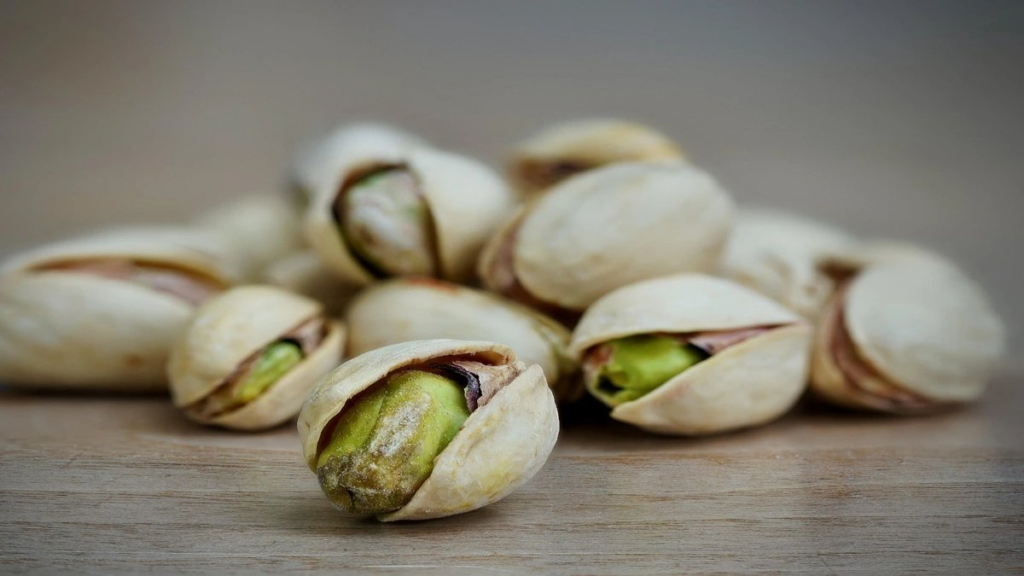
Pistachios are gaining renewed attention in nutrition research, not as a trendy superfood, but as a practical, everyday snack with measurable health advantages. At a time when heart disease, blood sugar imbalance, digestive disorders, and weight concerns are increasingly common, pistachios offer a rare mix of satisfaction and science backed nutrition.
Unlike many processed snacks, pistachios deliver protein, fiber, healthy fats, and protective plant compounds in a naturally portion friendly form. This combination helps explain why regular pistachio intake is consistently associated with better cardiometabolic health in population and clinical research.
Pistachios are more than a crunchy snack. These small green nuts are nutritional overachievers, packed with plant protein, healthy fats, fiber, vitamins, minerals, and bioactive compounds. Unlike many calories dense nuts, pistachios offer a rare combination of satiety, metabolic support, and cardiovascular benefits. Modern nutrition research continues to uncover why pistachios deserve a regular place in a healthy eating pattern.
Rich Nutritional Profile in a Small Serving
A standard serving of pistachios provides high quality plant protein, heart friendly monounsaturated and polyunsaturated fats, and meaningful amounts of dietary fiber. Pistachios are especially rich in vitamin B6, potassium, magnesium, copper, and phosphorus. They also contain antioxidant compounds such as lutein, zeaxanthin, and polyphenols, which are not commonly abundant in nuts.
This nutrient density makes pistachios uniquely helpful for people aiming to improve diet quality without increasing portion sizes.
Heart Health and Cholesterol Support
One of the most well-studied benefits of pistachios is their positive effect on cardiovascular health.
Clinical studies show that regular pistachio consumption can lower LDL cholesterol while preserving or increasing HDL cholesterol. The mechanism is multifactorial: healthy fats improve lipid profiles, plant sterols reduce cholesterol absorption, and antioxidants help limit oxidative stress in blood vessels.
Pistachios are also a natural source of potassium, a mineral known to support healthy blood pressure regulation. Replacing refined snacks with pistachios has been linked to improved vascular function and reduced markers of inflammation.
Blood Sugar Control and Diabetes Friendly Properties
Despite being a carbohydrate containing food, pistachios have a low glycemic index. Their combination of fiber, fat, and protein slows digestion and glucose absorption, helping prevent sharp post meal blood sugar spikes.
Research suggests that adding pistachios to carbohydrate rich meals can reduce postprandial glucose levels and improve insulin sensitivity. This makes pistachios a smart snack option for people with insulin resistance, prediabetes, or type 2 diabetes when consumed in appropriate portions.
Gut Health and Prebiotic Effects
An often-overlooked benefit of pistachios is their role in gut health. Pistachios act as a prebiotic food, meaning they nourish beneficial gut bacteria.
Studies have shown that pistachio consumption increases populations of butyrate producing bacteria, which are associated with improved intestinal barrier function and reduced inflammation.
A healthier gut microbiome has far-reaching effects, influencing immunity, metabolism, and even mental well-being.
Weight Management and Satiety Advantage
Pistachios stand out among nuts for weight management. Their protein and fiber content promotes fullness, helping reduce overall calorie intake. In-shell pistachios offer an additional behavioral advantage: the act of shelling slows eating and provides visual cues that discourage overconsumption.
Multiple studies have found that regular pistachio intake does not lead to weight gain and may support fat loss when substituted for refined or ultra-processed snacks.
Eye Health: A Unique Nut Benefit
Pistachios are one of the few nuts rich in lutein and zeaxanthin, carotenoids that accumulate in the retina. These compounds help protect the eyes from blue light damage and oxidative stress, potentially lowering the risk of age-related macular degeneration.
This eye protective benefit is relatively unique among nuts and adds another layer to pistachios’ functional value.
Bone and Muscle Support
Pistachios provide magnesium, phosphorus, and plant-based protein, all essential for bone strength and muscle function. Magnesium plays a key role in calcium metabolism and bone mineralization, while protein supports muscle maintenance, particularly important with aging.
For individuals following plant forward diets, pistachios contribute valuable nutrients that support skeletal health.
Brain and Nervous System Support
Thanks to their high vitamin B6 content, pistachios support neurotransmitter synthesis and nervous system function. Vitamin B6 is involved in the production of serotonin, dopamine, and GABA, which influence mood, cognition, and sleep regulation.
This makes pistachios a nutrient-dense snack for mental performance and neurological health.
Anti Inflammatory and Antioxidant Protection
Pistachios contain a wide range of antioxidants, including polyphenols and tocopherols. These compounds help neutralize free radicals, reduce low-grade inflammation, and protect cells from oxidative damage.
Chronic inflammation is a known driver of heart disease, diabetes, and neurodegenerative conditions, making antioxidant-rich foods like pistachios especially valuable.
How to Include Pistachios in a Healthy Diet
Pistachios can be enjoyed raw, roasted, or lightly salted. They pair well with yogurt, salads, oatmeal, and vegetable dishes. Portion control remains important; a small handful is sufficient to obtain health benefits without excessive calorie intake.
Choosing unsalted or lightly salted varieties is preferable for individuals monitoring sodium intake.
FAQs
Q1: Are pistachios healthy to eat every day?
Yes, when eaten in moderate portions, pistachios can be part of a healthy daily diet and support heart, metabolic, and digestive health.
Q2: Do pistachios help with cholesterol levels?
Research suggests that regular pistachio intake can help lower LDL cholesterol while supporting healthy HDL levels due to their unsaturated fats and plant sterols.
Q3: Are pistachios suitable for people with diabetes?
Yes, Pistachios have a low glycemic index and may help reduce post-meal blood sugar spikes when consumed in controlled portions.
Q4: Can pistachios support gut health?
Yes, Pistachios act as a prebiotic food, promoting beneficial gut bacteria linked to better digestion and reduced inflammation.
Q5: Do pistachios cause weight gain?
No, Studies show pistachios do not promote weight gain when they replace refined snacks. Their protein and fiber help increase satiety.
Q6: Are pistachios good for eye health?
Yes, Pistachios contain lutein and zeaxanthin, antioxidants that help protect the eyes from oxidative and blue light damage
Disclaimer
This article is for educational purposes only and does not provide medical advice. Pistachios can support health as part of a balanced diet but are not a substitute for professional medical care. Individuals with allergies or chronic medical conditions should consult a qualified healthcare professional before making dietary changes.
Call to Action
Including pistachios as a mindful snack or meal addition can be a simple, evidence-supported way to improve overall diet quality. Choose unsalted or lightly salted varieties, keep portions moderate, and pair them with whole foods for the greatest health benefit.
The Bottom Line
Pistachios are a scientifically supported functional food. From heart and metabolic health to gut balance, eye protection, and weight management, their benefits extend well beyond basic nutrition. When consumed regularly and mindfully, pistachios offer a powerful combination of taste, convenience, and health protection that few snacks can match.
Read terms and conditions : https://pharmahealths.com/terms-and-conditions/
References
• Journal of Nutrition, Clinical studies on pistachios and lipid profile improvement
• Diabetes Care, Evidence on pistachios and postprandial blood glucose control
• American Journal of Clinical Nutrition, Nut intake, satiety, and weight management
• European Journal of Nutrition, Prebiotic effects of pistachios on gut microbiota
• Nutrients, Antioxidants, lutein, and cardiometabolic effects of pistachios