


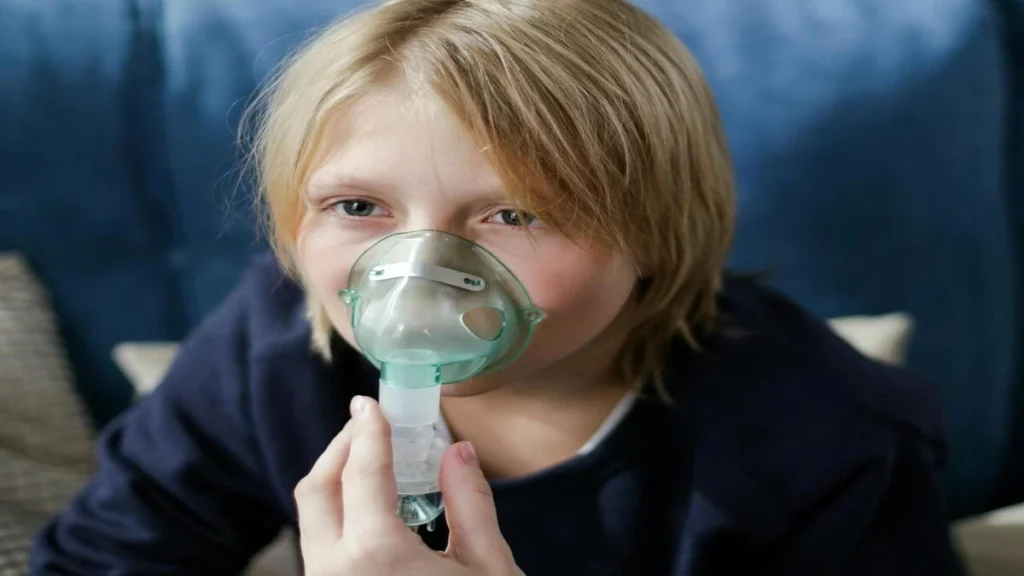
Breathing difficulty in a newborn or young child is understandably alarming. As a result, many families turn to home nebulization as an immediate solution. Over time, the nebulizer has become almost synonymous with relief. However, what is often overlooked is that medications delivered through nebulization are powerful drugs, not harmless steam.
When salbutamol nebulization is used at home without proper medical supervision, especially in infants and young children, it can increase the risk of serious cardiac complications. This risk does not arise suddenly. Instead, it builds quietly through repeated dosing, incorrect indications, and underestimation of how sensitive a child’s heart truly is.
Importantly, salbutamol itself is not unsafe. The concern lies in how, why, and how often it is used.
To understand the risk, it helps to look beyond the lungs
Salbutamol is classified as a short acting beta-2 adrenergic agonist (SABA). Its primary therapeutic action is bronchodilation, making it highly effective in conditions like asthma where airway narrowing is reversible.
However, beta-2 receptors are not limited to the respiratory system. They are also present in the,
• heart
• vascular smooth muscle
• skeletal muscles
• metabolic tissues
Because of this, salbutamol inevitably exerts systemic effects, particularly when higher doses enter the bloodstream. In adults, these effects are often mild. In infants, the same effects can be magnified.
This is where age becomes a critical factor
Unlike adults, newborns and young children have immature cardiovascular control mechanisms. Their autonomic nervous system is still developing, which means their heart rate and rhythm respond more dramatically to stimulation.
As a result, salbutamol can cause,
• excessive tachycardia
• increased myocardial oxygen demand
• reduced ventricular filling time
• rhythm instability
In a small heart, even a modest increase in heart rate can significantly reduce cardiac efficiency. Over time, this strain may compromise oxygen delivery to vital organs.
Meanwhile, nebulization increases systemic exposure
Nebulization is often perceived as a gentle delivery method. In reality, it can result in higher systemic absorption, particularly in children.
Several factors contribute,
• prolonged drug delivery time
• swallowing of aerosolized medication
• poor mask fit allowing drug loss and re-inhalation
• repeated dosing without monitoring
Compared to inhalers with spacers, nebulizers often deliver larger total doses, especially when parents repeat treatments at home in an attempt to “help breathing.”
In infants, even small dosing errors can push salbutamol levels into a range where cardiac effects become clinically significant.
At the same time, electrolyte imbalance adds another layer of risk
One frequently overlooked effect of salbutamol is its influence on potassium balance.
Salbutamol shifts potassium from the bloodstream into cells, leading to hypokalemia. Low potassium levels increase the risk of,
• cardiac arrhythmias
• muscle weakness
• conduction abnormalities
In children who are already ill, dehydrated, or poorly nourished, this electrolyte shift can act as a trigger for serious cardiac events. Repeated unsupervised nebulization compounds this risk.
Even more concerning is use for the wrong diagnosis
In clinical practice, not every wheeze responds to salbutamol.
In infants, breathing difficulty is commonly caused by,
• bronchiolitis
• viral lower respiratory infections
• pneumonia
• congenital airway abnormalities
• underlying heart disease
In many of these conditions, salbutamol provides little to no benefit. When parents notice no improvement and continue nebulization anyway, drug exposure increases while the underlying illness remains untreated.
From a pharmacist’s perspective, this pattern is a major contributor to preventable harm.
Over time, misuse at home quietly escalates the danger
Problems usually arise when,
• nebulization is given every one to two hours
• adult or older child doses are used
• multiple caregivers repeat doses unknowingly
• treatment continues despite worsening symptoms
Each additional dose places extra stress on the heart. Gradually, this can lead to severe tachycardia, reduced cardiac output, hypoxia, and collapse.
Parents may later describe this as a “heart attack.” In children, it is more accurately a drug induced cardiac event or arrhythmia, rather than classic myocardial infarction.
What a cardiac emergency looks like in children
Children rarely present with adult style heart attacks. Instead, excessive salbutamol exposure may cause,
• extreme or irregular heart rate
• low blood pressure
• poor oxygen delivery
• sudden deterioration
Clinically, this may appear as,
• worsening breathing despite nebulization
• bluish lips or fingertips
• unusual agitation or extreme drowsiness
• vomiting, tremors, or pallor
• sudden collapse
These signs demand immediate medical attention.
Therefore, recognizing early warning signs is essential
Caregivers should stop nebulization and seek urgent care if a child develops,
• persistent heart rate above 180–200/min
• worsening chest retractions
• poor feeding or lethargy
• blue discoloration of lips or nails
• marked shaking or weakness after treatment
Continuing home treatment in these situations can significantly increase risk.
From a medication safety standpoint, a few principles matter most
Safe use of salbutamol in children requires that,
• newborns are never treated without medical advice
• lack of response after one or two doses is taken seriously
• nebulization is not used as a diagnostic trial
• inhalers with spacers are preferred when appropriate
Most importantly, wheezing in infants is not the same as asthma.
The pharmacist’s bottom line
Salbutamol is a valuable, lifesaving medicine when used correctly. The danger arises not from the drug itself, but from unsupervised use, incorrect dosing, and inappropriate indications.
Newborns and young children have small lungs, and even more sensitive hearts. Treating breathing problems in this age group should always balance symptom relief with cardiac safety.
Education, careful diagnosis, and professional guidance remain the safest path. A nebulizer is a medical device, not a household remedy, and every dose deserves the same respect as any other potent medicine.
FAQs
Q1. Can salbutamol nebulization increase the risk of heart problems in newborns and children?
Yes, Salbutamol stimulates beta receptors not only in the lungs but also in the heart. In newborns and young children, this can cause excessive fast heart rate, rhythm disturbances, and increased cardiac workload. The risk rises when nebulization is repeated frequently, given in higher than needed doses, or used without proper medical supervision.
Q2. Why are infants more sensitive to salbutamol than older children or adults?
Infants have an immature autonomic nervous system and smaller cardiac reserve. Their hearts respond more strongly to beta-agonists like salbutamol. In addition, nebulization can lead to higher systemic absorption in infants, making side effects such as tachycardia and low potassium more likely.
Q3. Is salbutamol safe for all types of wheezing or breathing difficulty?
No, Salbutamol is effective mainly in asthma and bronchospasm. In conditions such as bronchiolitis, pneumonia, or congenital airway problems, it often provides little benefit. Using salbutamol in these situations may increase side effects without improving breathing.
Q4. What warning signs suggest salbutamol should be stopped and medical care sought immediately?
Warning signs include a very fast or irregular heartbeat, worsening breathing despite nebulization, bluish lips or nails, poor feeding, unusual drowsiness or agitation, vomiting, tremors, or weakness after treatment. These symptoms require urgent medical attention.
Q5. Are nebulizers safer than inhalers for children?
Not always. In many cases, inhalers with spacers deliver controlled doses with less systemic absorption than nebulizers. Nebulizers can deliver higher drug amounts, especially if used repeatedly at home, increasing the risk of side effects.
Medical Disclaimer
This article is intended for educational purposes only and does not replace professional medical advice, diagnosis, or treatment. Always consult a qualified pediatrician or healthcare professional before starting or repeating nebulization therapy in newborns or children. Do not rely on this information to self-medicate or delay seeking medical care.
Call to Action
If your child has breathing difficulty that does not improve after initial treatment, avoid repeating nebulization at home. Seek prompt medical evaluation to ensure the correct diagnosis and safe treatment. For more pharmacist reviewed, evidence-based health articles, visit pharmahealths.com and stay informed about safe medication use in children.
References
• Pediatric Pulmonology, Discusses limited benefit and potential risks of beta-agonists in infant bronchiolitis.
• Journal of Pediatrics, highlights cardiovascular effects of beta agonists in infants and young children.
• British Thoracic Society Guidelines, recommends cautious use of salbutamol and proper dosing in pediatric patients.
• American Academy of Pediatrics (AAP), Emphasizes avoiding routine bronchodilator use in non-asthmatic infant wheeze.