


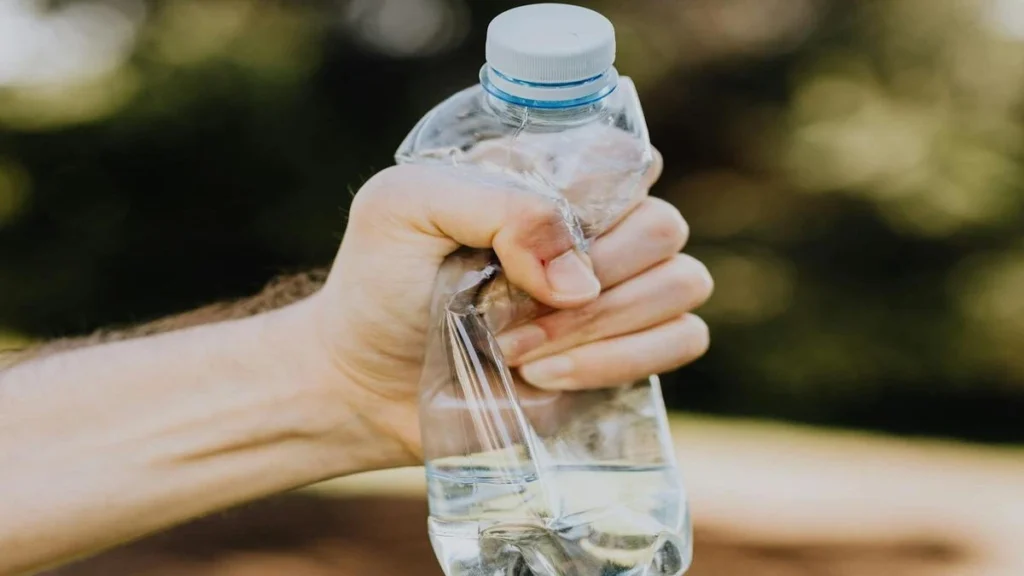
At first glance, drinking water from a plastic bottle seems harmless, even healthy. After all, you’re staying hydrated. However, recent scientific evidence suggests there may be more beneath the surface, especially when it comes to heart health.
In fact, cardiologists are beginning to look beyond traditional risk factors. Increasingly, attention is shifting toward everyday exposures, like plastic use, that may quietly influence cardiovascular disease over time.
The Plastic Problem (What Science Is Beginning to Show)
To begin with, researchers have detected microplastics, tiny plastic particles, in human blood, tissues, and even arterial plaques. This discovery has changed how scientists think about environmental risk factors.
More importantly, a 2024 study published in the New England Journal of Medicine found that individuals with microplastics embedded in arterial plaques had a significantly higher risk of heart attack, stroke, and death.
So, why does this matter?
Because heart disease often starts with inflammation and plaque buildup in arteries. In this context, microplastics may,
• Trigger chronic low-grade inflammation
• Disrupt endothelial (blood vessel lining) function
• Potentially accelerate atherosclerosis
Although research is still evolving, the direction is concerning enough that many experts now advise reducing avoidable plastic exposure.
How Do Microplastics Enter Your Body?
At this point, you might wonder how these particles get into the body in the first place.
Interestingly, exposure doesn’t require anything unusual. Instead, it often comes from everyday habits,
• Drinking from single use plastic bottles
• Eating packaged or processed foods
• Reheating food in plastic containers
• Environmental exposure through air and dust
Furthermore, when plastic bottles are exposed to heat or sunlight, they may release more particles into the water. As a result, repeated use over time may increase cumulative exposure.
A Practical Shift (Small Changes That Matter)
Rather than aiming for perfection, it’s more helpful to focus on simple, sustainable adjustments.
For example,
• Switch to glass or stainless-steel bottles
• Avoid leaving plastic bottles in hot places
• Limit reuse of disposable bottles
• Choose fresh, less packaged foods when possible
In other words, the goal is not elimination, but reduction of long-term exposure.
Now, Let’s Look at the Bigger Picture
While plastic exposure is an emerging concern, it rarely acts alone. Instead, heart disease develops through a combination of daily habits.
Therefore, understanding other common lifestyle risks helps put this issue into perspective.
1. Diets High in Ultra Processed Foods and Red Meat
To start with, diets rich in processed foods, added sugars, and red meat are consistently linked to poor heart outcomes.
For instance, such diets can,
• Raise LDL cholesterol
• Increase blood pressure
• Promote systemic inflammation
On the other hand, a Mediterranean style diet, rich in vegetables, legumes, whole grains, and healthy fats, has been shown to reduce cardiovascular risk.
Thus, food quality plays a foundational role in heart protection.
2. A Sedentary Daily Routine
Equally important, prolonged sitting has become a silent risk factor in modern life.
Whether it’s working at a desk or scrolling on a phone, extended inactivity slows circulation and affects metabolic health.
However, the good news is that even small efforts help. Research shows that short, consistent periods of movement can significantly reduce cardiovascular risk.
For example,
• Taking brief walking breaks
• Using stairs instead of elevators
• Stretching every hour
In essence, regular movement acts as daily maintenance for your heart.
3. Extreme Dieting and Unsustainable Fitness Plans
Meanwhile, many people fall into the trap of “quick fixes.” Crash diets and intense workout routines may seem effective initially, but they are rarely sustainable.
Over time, they can,
• Disrupt metabolism
• Increase stress hormones
• Lead to burnout or injury
By contrast, moderate, consistent habits are far more effective long term. This is why cardiologists emphasize balance over extremes.
4. Irregular Sleep Patterns
Finally, sleep plays a crucial, yet often underestimated, role in heart health.
When sleep timing is inconsistent, it can,
• Disrupt circadian rhythm
• Increase blood pressure
• Promote inflammation
Even if total sleep seems adequate, irregular patterns can still increase cardiovascular risk.
Therefore, maintaining a consistent sleep schedule is just as important as diet and exercise.
The Real Insight (It’s the Combination That Matters)
At this stage, a key idea becomes clear,
• Heart disease is rarely caused by one single habit.
• Instead, it develops from the accumulation of multiple small risks over time.
For instance, drinking from plastic bottles alone may not be harmful. However, when combined with poor diet, inactivity, and irregular sleep, it adds to a broader inflammatory burden.
This cumulative effect is what gradually impacts arterial health.
A Simple, Science Based Strategy
So, what’s the practical takeaway?
Rather than focusing on isolated changes, aim for a pattern of protective habits,
• Choose safer hydration options
• Eat mostly whole, minimally processed foods
• Move consistently throughout the day
• Maintain regular sleep patterns
Together, these actions help,
• Reduce inflammation
• Improve vascular function
• Support long term metabolic health
Final Thought
Ultimately, heart health is shaped by what you do consistently, not occasionally.
Switching from plastic to a reusable bottle may seem like a small step. However, when combined with better daily habits, it becomes part of a powerful long-term strategy.
Your heart responds to patterns, and over time, those patterns define your future health.
FAQs
Q1: Should I completely stop using plastic bottles?
Not necessarily. Occasional use is unlikely to be harmful, but reducing regular exposure is a wise preventive step.
Q2: Are microplastics proven to cause heart disease?
Not conclusively yet. However, strong associations with inflammation and arterial plaque make them an important area of concern.
Q3: What is the safest alternative?
Glass and stainless-steel bottles are considered safer for regular use.
Q4: Does boiling water remove microplastics?
No. Microplastics are physical particles and are not removed by boiling.
Call to Action
Start today with one practical change, switch your daily water bottle. Over time, small consistent choices can create meaningful protection for your heart.
Disclaimer
This content is for educational purposes only and does not replace professional medical advice. Consult a qualified healthcare provider for personalized recommendations.
References
• New England Journal of Medicine, Microplastics and cardiovascular outcomes
• The Lancet, Diet and heart disease risk
• Circulation, Mediterranean diet benefits
• The BMJ, Physical activity and mortality
• Nature Communications, Sleep irregularity and cardiovascular risk