


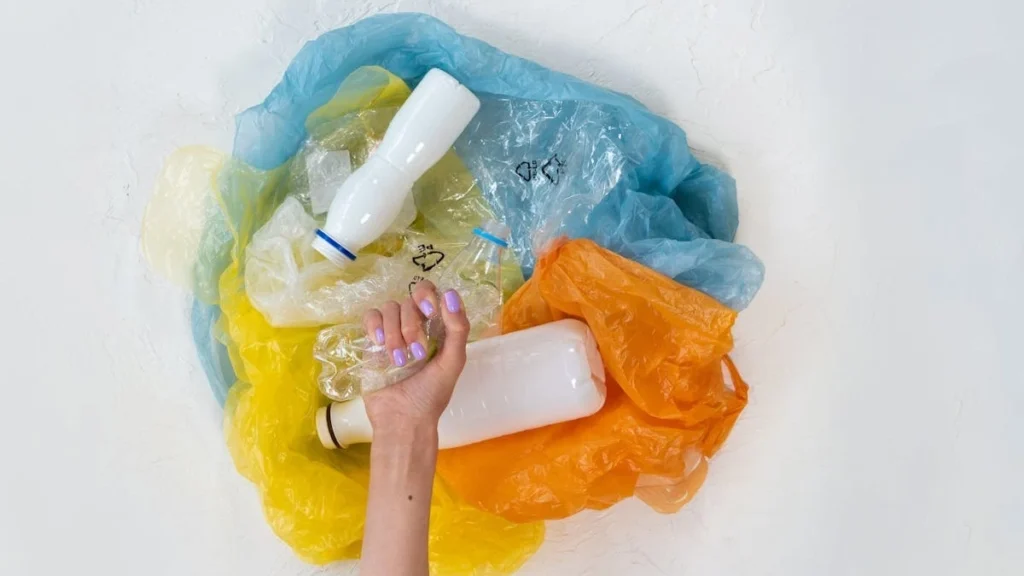
We often think that our lifestyle before conception like diet or exercise, affects the health of our children. However, recent research reveals that an invisible threat, microplastics, could also leave a biological imprint on the next generation.
SciTechDaily reports that a new study in mice shows paternal exposure to microplastics can reprogram sperm, increasing the risk of metabolic diseases such as diabetes, particularly in daughters.
Moreover, this research underscores a critical connection between environmental pollution and generational health. Microplastics, tiny plastic fragments smaller than 5 millimeters, are now found everywhere, from water and soil to the air we breathe. As a result, these particles can enter the body and interact with cells in unexpected ways.
By exploring the mechanisms, consequences, and future implications, this article explains why microplastics are more than just an environmental problem, they may be a biological inheritance risk.
The Study (How Microplastics Affect Offspring)
The researchers at the University of California, Riverside conducted an experiment to see how paternal exposure affects children. First, male mice were exposed to microplastics before mating. Then, these males were mated with unexposed females. All offspring were fed a high fat diet to “stress test” metabolic function, simulating modern dietary patterns.
SciTechDaily explains that this approach allowed researchers to detect metabolic vulnerabilities in offspring that would otherwise remain hidden, helping scientists understand the subtle effects of environmental exposures across generations
Female Offspring Are Particularly Vulnerable
One of the most striking findings was the sex-specific effect. Interestingly, female offspring developed diabetes-like symptoms, including elevated blood sugar levels, liver inflammation, and decreased muscle mass. In contrast, male offspring were largely unaffected.
According to SciTechDaily, this suggests that paternal exposure programs the next generation in ways that differ between sexes. Although the exact mechanisms remain unclear, it highlights the complexity of epigenetic inheritance, where environmental factors change gene activity without altering the DNA sequence.
Mechanism (How Sperm “Carries” Microplastic Effects)
The study revealed that microplastics do not mutate DNA directly. Instead, they alter sperm small RNAs, which regulate gene activity. These molecules, including tRNA-derived small RNAs (tsRNAs) and rRNA-derived small RNAs (rsRNAs), can act like “dimmer switches,” turning genes on or off during early development.
SciTechDaily reports that sperm can carry environmental “instructions” to embryos, potentially programming metabolism and disease risk. Using advanced sequencing techniques, researchers observed that microplastics exposure changed RNA patterns in sperm, creating a lasting biological imprint.
Why This Discovery Matters
This research is a wakeup call. First, it shows that environmental pollutants can have generational consequences. Second, it emphasizes the importance of paternal health, not just maternal health, in shaping offspring outcomes.
PubMed-indexed research shows that similar effects have been observed with other endocrine-disrupting chemicals, such as BPA and phthalates, which can influence sperm quality and metabolic outcomes in children. Taken together, these studies suggest that the health risks of environmental toxins extend beyond the directly exposed individual.
The Bigger Picture (Microplastics and Human Health)
While this study was done in mice, the findings raise important questions for humans. For instance, microplastics have been detected in human reproductive tissues, including semen and ovarian fluid. Although research is still emerging, these early observations suggest that human reproductive cells might be vulnerable to similar environmental stressors.
Consequently, reducing exposure could become a critical preventive strategy. Practical measures include using filtered water, avoiding heating food in plastic containers, and choosing whole foods over heavily packaged items.
Limitations and Future Research
It is important to note that mouse studies do not always translate directly to humans. Researchers caution that more data is needed to confirm whether paternal microplastics exposure leads to diabetes in human children.
However, this research opens avenues for future studies, including,
• Investigating how microplastics interact with human reproductive cells
• Exploring potential interventions to reverse or mitigate epigenetic changes
• Conducting longitudinal studies to track offspring health across generations
Therefore, while the findings are preliminary, they highlight an urgent need to study environmental pollutants from a generational perspective.
Key Takeaways
• Microplastics can affect reproductive cells in fathers, changing sperm RNA profiles.
• Female offspring may be especially vulnerable to metabolic dysfunctions like diabetes.
• Environmental exposures can leave biological imprints, not just in individuals but across generations.
• Practical steps can reduce microplastic exposure, including avoiding plastic packaging and filtering water.
• More research is needed to fully understand implications for human health and policy measures.
Conclusion
This groundbreaking study demonstrates that the environmental burden of microplastics may extend far beyond pollution and ecosystems. By reprogramming sperm, these tiny plastics can shape the health of the next generation, particularly daughters.
In a world increasingly dominated by plastics, this research serves as a stark reminder: environmental toxins are not just ecological hazards, they can be biological legacies. Reducing exposure now could protect future generations from chronic diseases such as diabetes.
FAQs
Q1: Can microplastics in fathers really affect their children’s health?
Yes, animal studies show that paternal exposure to microplastics can alter sperm RNA, potentially increasing metabolic risks like diabetes in offspring, especially daughters.
Q2: Are male children also affected by paternal microplastic exposure?
Current research in mice indicates males are less affected than females, although some changes in fat mass and metabolism may occur.
Q3: How do microplastics alter sperm?
Microplastics don’t change DNA but affect small RNAs in sperm, which regulate gene activity during early development.
Q4: Can humans reduce microplastic exposure?
Yes, Simple steps include filtering water, avoiding heating food in plastic containers, and choosing fresh or minimally packaged foods.
Q5: Is this proven in humans?
Not yet. Current evidence comes from animal studies, and more research is needed to confirm similar effects in humans.
Disclaimer
This article is for educational purposes only. It does not provide medical advice. Readers should consult a healthcare professional for concerns about health, diet, or exposure to environmental toxins.
Call to Action
Stay informed about environmental health and ways to reduce microplastic exposure. Subscribe to our newsletter for updates on science backed insights that protect you and future generations.
References
• SciTechDaily, Microplasticsc wire sperm, triggering diabetes in the next generation (scitechdaily.com)
• PubMed, Endocrine-disrupting chemicals and transgenerational metabolic effects (pubmed.ncbi.nlm.nih.gov/38750730)
• The Guardian, Detection of microplastics in human reproductive tissues (theguardian.com)