


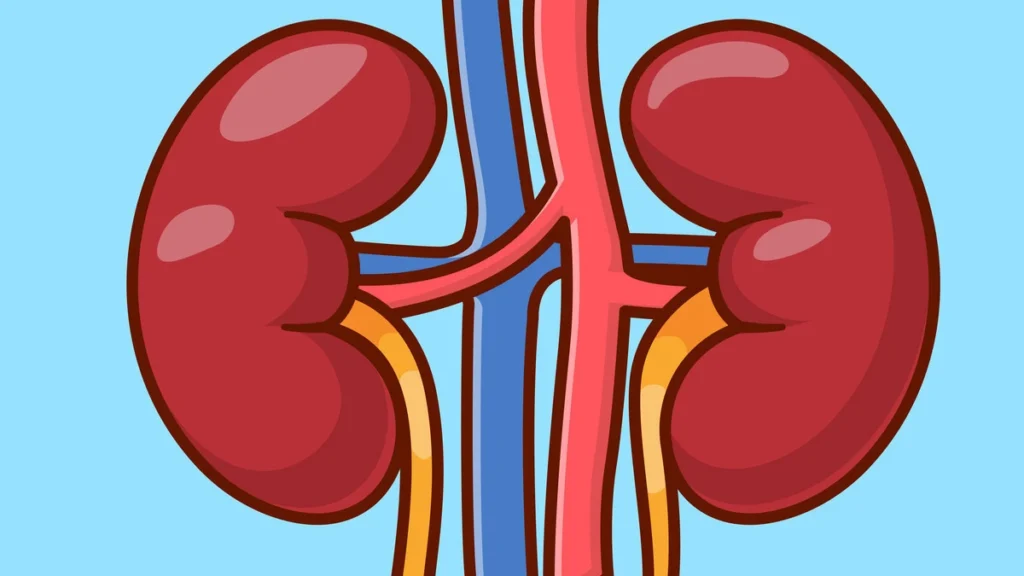
If you’ve been managing type 2 diabetes alongside kidney concerns, I have some genuinely encouraging news to share. In January 2025, the U.S. Food and Drug Administration expanded the approval of semaglutide (marketed as Ozempic) to include reducing the risk of kidney disease progression, kidney failure, and cardiovascular death in adults with type 2 diabetes and chronic kidney disease (CKD). As a pharmacist who spends a good chunk of my day talking to patients about exactly this combination of conditions, this is one of those approvals that deserves far more attention than it’s received, and I want to walk you through what the evidence actually shows.
Why This Matters More Than You Might Think
Chronic kidney disease and type 2 diabetes are frequent companions, and not in a good way. According to AJMC (American Journal of Managed Care), CKD affects around 40% of people with type 2 diabetes, and it significantly raises the risk of cardiovascular complications and death. For years, the main pharmacological tools nephrologists and primary care teams reached for were RAAS inhibitors (like ACE inhibitors or ARBs) and, more recently, SGLT2 inhibitors. Both classes do important work, but neither was originally designed to target the kidney and heart metabolism connection as directly as this new semaglutide indication does.
This approval essentially formalizes something many of us suspected for a while: GLP-1 receptor agonists aren’t just glucose lowering or weight-management drugs. They appear to offer a direct, clinically meaningful protective effect on the kidneys, beyond their blood sugar benefits.
The Evidence Behind the Approval
The decision wasn’t based on a small pilot study or theoretical mechanism alone. Studies show this came from the FLOW trial, and trial data describe it as an international, randomized, double blind, placebo-controlled study comparing once-weekly Ozempic 1 mg with placebo on top of standard care for kidney outcomes. As reported by PACE-CME, this trial enrolled 3,533 patients with type 2 diabetes and CKD, who were randomized to receive either once-weekly 1.0 mg semaglutide or a matching placebo, on top of their standard care.
What makes this trial particularly notable is that, as the same PACE-CME report explains, it was stopped early after meeting its efficacy criteria, a relatively rare occurrence in large outcome trials that usually signals strong clinical benefit.
So, what did the data actually show? According to Pharmacy Times, once weekly semaglutide led to a 24% reduction in the risk of kidney disease progression and kidney- or cardiovascular related death compared with placebo, with 331 events occurring in the semaglutide group versus 410 in the placebo group (Pharmacy Times). Statistically, this corresponded to a hazard ratio of 0.76 (95% CI 0.66–0.88; p=0.0003), a result that is both clinically meaningful and highly unlikely to be due to chance (Infectious Disease Advisor).
The trial didn’t stop at the primary outcome either. The same Pharmacy Times coverage went on to report that semaglutide also showed superiority over placebo across all secondary outcomes, including a slower annual decline in kidney function (GFR) and a reduction in major cardiovascular events (212 vs 254 events).
What’s Actually Happening Inside the Kidney
I always think it helps to understand the “why” behind a drug’s effect, not just the “what.” Studies show, as published in PMC (PubMed Central), that GLP-1 receptor agonism has been shown to reduce hyperfiltration, lessen glomerular injury, and dial down inflammation and oxidative stress, all of which are key drivers of CKD progression in people with type 2 diabetes.
What makes this especially important is that it represents a shift in where we intervene in the disease process. That same PMC review points out that previous nephrology therapies largely targeted downstream pathways, such as RAAS inhibition or SGLT2 blockade, whereas semaglutide introduces a more upstream, metabolic and renal approach.
In plain terms: instead of only managing the consequences of kidney stress, this approach may help reduce the underlying metabolic triggers contributing to kidney damage in the first place.
A Bigger Picture Shift in How We Think About These Conditions
What I find most interesting about this approval isn’t just the numbers, it’s what it represents for how we think about diabetes, heart disease, and kidney disease together. A year on from the approval, according to HCPLive, which gathered reflections from clinicians across cardiology, endocrinology, and nephrology, this approval marked semaglutide’s entry into the full cardio-kidney-metabolic disease spectrum, addressing mortality and worsening outcomes across these interconnected conditions.
That same HCPLive report noted that treatment guidelines have begun shifting away from SGLT2 inhibitors as the default preference, moving instead toward more individualized, combination-based approaches that include both SGLT2 inhibitors and GLP-1 receptor agonists where appropriate (HCPLive). From where I sit as a pharmacist, this is a meaningful and practical change in how we approach long-term risk reduction.
Some researchers have framed this as a genuine philosophical shift in nephrology. As the PMC review, Imentioned earlier put it, this signals a move away from waiting for late-stage kidney failure and toward earlier, proactive metabolic intervention.
Finally, according to JAMA, which also covered this approval in its news pages, the FDA’s decision was specifically tied to reducing the risk of worsening kidney disease, kidney failure, and cardiovascular death in adults with type 2 diabetes and CKD, highlighting how significant this shift is across major medical literature.
What This Means If You’re Living with T2D and CKD
If you fall into this category, this approval is worth bringing up with your prescriber, particularly if you’re not already on a GLP-1 receptor agonist. That said, I want to be clear that this isn’t a “swap everything out” moment. Semaglutide for this indication is intended as an addition to standard care, not a replacement for your existing kidney-protective medications like ACE inhibitors, ARBs, or SGLT2 inhibitors. The FLOW trial itself tested semaglutide on top of standard therapy, not instead of it.
It’s also worth knowing that benefits like slowing GFR decline tend to build over time rather than appearing overnight, so this is very much a long-game medication when it comes to kidney protection specifically. In real world terms, this could translate into delaying disease progression, reducing complications, and potentially lowering the need for advanced interventions like dialysis over time.
FAQs
Q1: Is this a new drug, or is it the same Ozempic people already use for diabetes?
It’s the same medication (semaglutide injection) that’s already approved for type 2 diabetes and for reducing cardiovascular risk in people with heart disease. The January 2025 approval simply expands its approved uses to include kidney protection in people who have both type 2 diabetes and chronic kidney disease.
Q2: Does this mean semaglutide can replace my current kidney medications?
No, In the FLOW trial, semaglutide was used in addition to standard care, which included existing kidney-protective treatments. This is an add-on option, not a replacement, and any changes to your medication regimen should go through your prescriber.
Q3: How big was the kidney benefit shown in the trial?
The trial showed a 24% relative reduction in the risk of major kidney disease progression, kidney failure, or related death compared with placebo. It also showed a meaningful slowing in the rate of kidney function (GFR) decline over time.
Q4: Who is this approval actually for?
This indication applies specifically to adults with type 2 diabetes who also have chronic kidney disease. If you have CKD without diabetes, or diabetes without CKD, this particular indication wouldn’t apply to you, though semaglutide may still be relevant for other reasons depending on your situation.
Q5: Are there side effects I should know about?
The side effect profile for this indication is consistent with semaglutide’s established profile for its other approved uses, most commonly gastrointestinal effects like nausea, which tend to be more noticeable when starting or increasing the dose. Always discuss your individual risk factors and tolerability with your prescriber or pharmacist.
A Final Word from Me
I know how overwhelming it can feel when you’re managing both diabetes and kidney health, especially when new approvals and headlines come at you faster than your care team can always explain them. My hope with pieces like this is to bridge that gap, breaking down what the research actually says so you can have a more informed conversation at your next appointment.
If you found this helpful, I write regularly about exactly this kind of thing over at pharmahealths.com, new treatment approvals, what they mean in practical terms, and how different conditions like diabetes, heart disease, and kidney health connect to one another. I’d genuinely love for you to stop by and explore more.
Disclaimer
This article is for informational and educational purposes only and does not constitute medical advice, diagnosis, or treatment. The information shared here is based on publicly available research and regulatory announcements at the time of writing and should not be used as a substitute for professional medical guidance. Always consult your doctor, pharmacist, or qualified healthcare provider before starting, stopping, or changing any medication, especially if you have type 2 diabetes, chronic kidney disease, or any other underlying health condition. Individual results and risks can vary, and only your healthcare team can assess what’s appropriate for your specific situation.
References
• HCPLive
• PACE-CME
• Pharmacy Times
• AJMC (American Journal of Managed Care) JAMA
• Novo Nordisk
• Infectious Disease Advisor
• PMC (PubMed Central)