


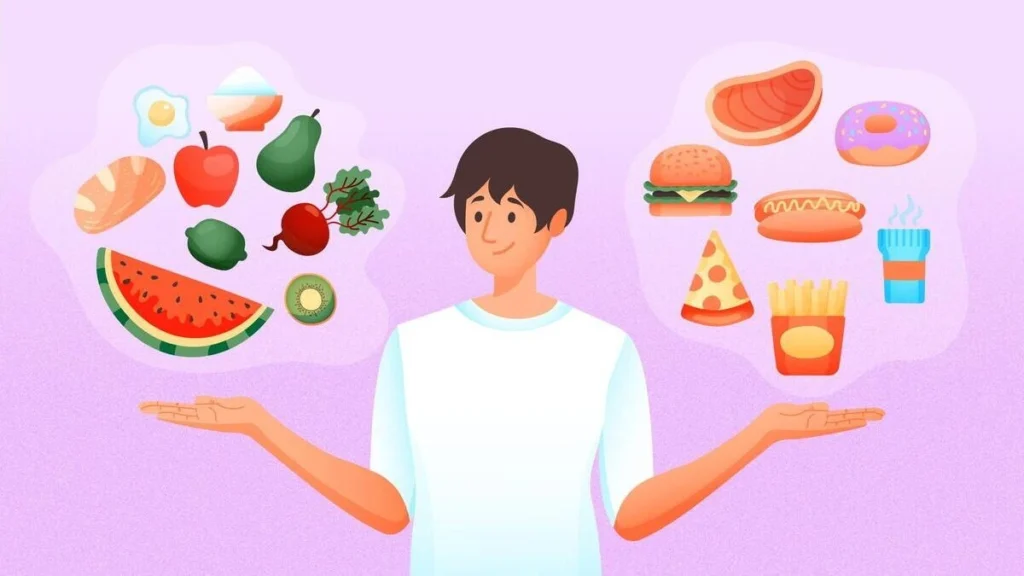
A pharmacist’s honest take on food, risk, and what the evidence actually says
Let me be direct with you, not in a scary, doom scrolling way, but the way I’d talk to a friend sitting across from me at the pharmacy counter.
Colorectal cancer rates in women under 50 have been climbing for two decades now. Not slightly. Noticeably. And while there are many factors involved, one of the clearest, most actionable pieces of the puzzle sits right on your plate, three times a day, every single day.
This isn’t about guilt. It’s about information, and once you have it, you get to decide what to do with it.
The Headline Nobody Wants at Breakfast
In 2015, the World Health Organization’s International Agency for Research on Cancer (IARC) published something that got buried under a flood of headlines and quickly forgotten, processed meats, bacon, sausages, ham, hot dogs, deli slices, were formally classified as Group 1 carcinogens.
Group 1. That’s the same category as tobacco smoking and asbestos.
Being in the same category as tobacco doesn’t mean bacon is equally dangerous. The risk level is different. But the way it damages cells? That part is real.
Processed meats contain nitrates and nitrites, used as preservatives and for that characteristic pink color. When these compounds enter your digestive tract, they interact with proteins to form N-nitroso compounds (NOCs), molecules with a well-documented ability to damage DNA in colon cells. Add high temperature cooking (frying, grilling, charring) to the picture and you’re also generating heterocyclic amines (HCAs) and polycyclic aromatic hydrocarbons (PAHs), two more classes of compounds that have been consistently linked to colon cell mutations in research going back decades.
A 2023 meta-analysis published in BMC Medicine reinforced what the IARC said, each 50g daily increase in processed meat consumption was associated with approximately an 18% higher risk of colorectal cancer. That’s not a small number. That’s roughly three strips of bacon or two slices of deli ham, amounts many people eat routinely, without a second thought.
Red Meat, A Different Story, But Still Worth Knowing
Red meat (beef, lamb, pork), sits in IARC’s Group 2A, probably carcinogenic. That word “probably” matters, because the evidence here is strong but not quite as ironclad as with processed meat.
The concern with red meat centers on haem iron. Unlike the iron in plant foods, haem iron from animal muscle tissue can catalyze the formation of those same DNA damaging NOCs in the colon. It also promotes the production of reactive oxygen species, essentially, cellular rust, that can trigger inflammation and damage the colon lining over time.
The cooking method is a significant variable here. A slow braised stew is a different chemical entity from a well charred grill. Charring red meat dramatically increases HCA formation. If you do eat red meat, that’s worth knowing.
A large UK Biobank cohort study published in 2022, following over 450,000 participants, found that people in the highest quartile of red meat consumption had a meaningfully higher risk of colorectal cancer compared to the lowest, even after adjusting for other lifestyle factors. The association was particularly consistent in women.
Ultra Processed Foods (The Newer, Bigger Picture)
Here’s where the conversation gets more uncomfortable, because it goes well beyond bacon.
Ultra processed foods (UPFs), a category that includes packaged snacks, ready meals, breakfast cereals, soft drinks, flavored yogurts, reconstituted meat products, and most fast food, have become a major focus of cancer research in the last five years.
A 2023 study published in eClinicalMedicine (part of The Lancet group), analyzing data from over 197,000 people in the UK Biobank, found that higher UPF consumption was associated with a significantly increased risk of colorectal cancer specifically. The mechanisms being investigated include the emulsifiers, artificial sweeteners, and additives commonly found in these foods, which appear to disrupt the gut microbiome and increase intestinal permeability, in plain language, they seem to damage the protective environment in your colon.
Carboxymethylcellulose and polysorbate-80, two very common food emulsifiers, have been shown in animal and cell studies to promote gut inflammation and alter bacterial populations in ways that could favor tumor development. Human studies are still catching up, but the early signals are consistent enough that they can’t be ignored.
Fiber (The Protective Factor We Keep Underestimating)
If processed meat is the villain of this story, dietary fiber is the largely unsung hero.
The evidence here is robust. A 2020 systematic review in Nutrients confirmed what we’ve known for years, higher dietary fiber intake is associated with a meaningfully lower risk of colorectal cancer. The protective mechanisms are multiple, fiber feeds beneficial gut bacteria that produce short chain fatty acids like butyrate, which actively support colon cell health and suppress tumor promoting inflammation. Fiber also speeds up gut transit time, meaning any harmful compounds have less contact time with the colon wall.
The average adult in many Western countries consumes around 15g of fiber daily. The recommended amount is at least 30g. That gap is significant, and it’s likely contributing to risk in ways that are quiet, gradual, and completely invisible until they’re not.
Fruits, vegetables, legumes, oats, and whole grains are where that fiber comes from. Not supplements. Not powders. Actual food.
Why This Hits Women Differently
You might be wondering, is this really specific to women?
In some ways, yes, not because the biology of dietary carcinogens differs, but because of how and where colorectal cancer tends to develop in women. Right sided colon cancers, which are more anatomically common in women, tend to grow more quietly. They bleed less obviously. They cause anemia before they cause any visible rectal symptoms. They’re more likely to be missed, both by the woman herself and sometimes by the clinician.
This means the dietary risk factors are accumulating in silence, and the cancer, when it eventually announces itself, may already be at a more advanced stage than it would be in someone whose symptoms were more immediately obvious.
There’s also a hormonal dimension worth mentioning. Post menopausal women lose the modest protective effect that estrogen appears to offer against colorectal cancer. Combined with the inflammatory effects of a high UPF, low fiber diet, the post-menopausal years are a period where dietary patterns really do matter more, not less.
Alcohol (Quietly Part of the Problem)
It wouldn’t be a complete picture without addressing this one honestly.
Alcohol is a Group 1 carcinogen in its own right. It’s directly toxic to the cells lining the colon. Even moderate intake, one to two drinks a day, which many people consider entirely innocuous, is associated with an increased colorectal cancer risk. A 2021 analysis in The Lancet Oncology was pretty clear on this: there is no genuinely “safe” level of alcohol when it comes to cancer risk, though the absolute risk at low intake remains small.
This doesn’t mean a glass of wine at a wedding is dangerous. It means chronic, routine alcohol intake, even the kind that doesn’t feel like “heavy” drinking, contributes to cumulative risk in a way that’s worth factoring in.
What This Actually Looks Like in Practice
I’m not here to hand you a list of forbidden foods. That’s not how behavior change works, and frankly, rigid food rules tend to create more anxiety than health.
What I’d say instead, from a pharmacist’s perspective of looking at risk across populations:
The question to ask isn’t “did I eat bacon this morning?” It’s “what does my diet look like most days, most weeks, over most years?”
Chronic, high frequency intake of processed meats is the concern, not the occasional sausage at a family barbecue. A diet consistently low in fiber is the concern, not skipping salad on a busy Tuesday. Ultra processed food as a dietary staple is the concern, not a bag of crisps as a snack.
Small, sustainable shifts over time. more whole grains, more legumes, fewer processed meat products as everyday staples, less reliance on ultra-processed convenience foods, are where the evidence-based benefit actually lives.
The Uncomfortable Truth About “Low Risk”
Here’s what I think about most when I look at the data, the women who develop colorectal cancer in their 40s didn’t think they were high risk either.
They weren’t eating conspicuously unhealthy diets. They weren’t ignoring glaringly obvious symptoms. They were just living normal lives, eating what was convenient, perhaps mildly aware that processed meat wasn’t exactly a health food, but not aware enough to know that the evidence behind that classification is far more serious than a passing health headline suggested.
Awareness changes behavior. And behavior, over years and decades, changes risk.
Conclusion
Colon cancer in women often builds silently through years of everyday dietary choices. Processed meats, excess red meat, and ultra processed foods are all backed by solid evidence as risk contributors, while fiber remains the most underused protective factor most people have access to. No dramatic overhaul needed, just consistent, small shifts over time. Diet is one of the few risk factors you can actually control, and that makes it worth taking seriously.
Call to Action
Your daily plate shapes your future health. Start smarter choices with PharmaHealths today, and pass this on to someone who needs it.
Disclaimer
This article is for educational purposes only and does not replace individualized medical advice. If you have concerns about your bowel health, symptoms, or family history, please speak with your doctor or specialist.
References
• World Health Organization / IARC (2015). Carcinogenicity of consumption of red and processed meat. The Lancet Oncology, 16(16), 1599–1600.
• Zhao Z, et al. (2023). Processed meat consumption and colorectal cancer risk: a dose-response meta-analysis. BMC Medicine, 21, 388.
• Hang D, et al. (2022). Red meat intake and risk of colorectal cancer in a large prospective cohort: UK Biobank analysis. International Journal of Epidemiology.
• Fiolet T, et al. (2023). Ultra processed food consumption and risk of colorectal cancer: prospective cohort study. eClinicalMedicine (The Lancet), 56, 101840.
• Bradbury KE, et al. (2020). Dietary fiber and colorectal cancer risk: a systematic review and meta-analysis. Nutrients, 12(4), 1059.
• Rumgay H, et al. (2021). Global burden of cancer in 2020 attributable to alcohol consumption: a population-based study. The Lancet Oncology, 22(8), 1071–1080.
• Murphy N, et al. (2019). Heterocyclic amines, meat cooking practices and colorectal cancer risk: findings from the European Perspective Investigation into Cancer and Nutrition (EPIC). International Journal of Cancer, 145(6), 1539–1548.
• Reynolds A, et al. (2019). Carbohydrate quality and human health: a series of systematic reviews and meta-analyses. The Lancet, 393(10170), 434–445.