


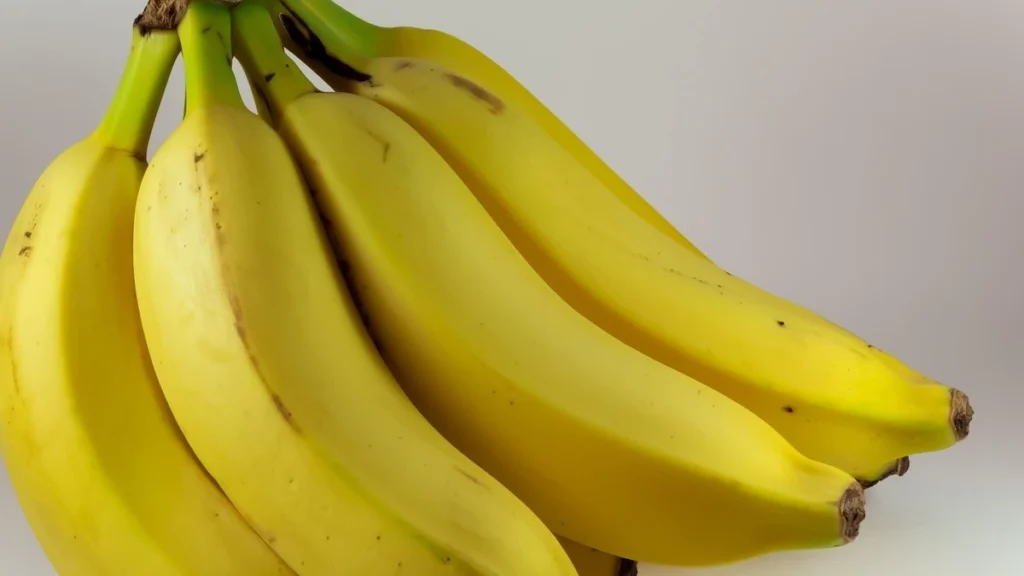
Bananas are among the most commonly consumed fruits worldwide. They are affordable, convenient, and widely considered healthy. However, beyond their reputation as a quick energy snack, bananas play a deeper role in cardiovascular and digestive health, particularly in blood pressure regulation.
From a pharmacist’s perspective, bananas are not “just fruit.” Instead, they act as a nutrient delivery system, supplying potassium, fiber, and bioactive compounds that influence vascular function, kidney physiology, and even the gut microbiome. Understanding these mechanisms helps explain why regular banana intake is often associated with healthier blood pressure levels.
First, Why Blood Pressure Control Matters
Blood pressure reflects how hard the heart must work to pump blood through arteries. When blood vessels are stiff or fluid volume is excessive, pressure rises. Over time, uncontrolled hypertension increases the risk of heart disease, stroke, kidney failure, and cognitive decline.
While medications are essential for many patients, dietary strategies remain foundational. This is where bananas quietly enter the picture.
Potassium (The Primary Link Between Bananas and Blood Pressure)
To begin with, bananas are best known for their potassium content, an essential electrolyte with direct cardiovascular effects.
Potassium works in physiological opposition to sodium. While sodium promotes water retention and raises blood pressure, potassium enhances renal sodium excretion and helps reduce blood volume. At the same time, potassium supports relaxation of vascular smooth muscle, allowing blood vessels to dilate more effectively.
As a result, vascular resistance decreases, which contributes to lower systolic and diastolic blood pressure.
A single medium banana provides roughly 400–450 mg of potassium, making it an easy way to boost intake, especially in diets dominated by processed, sodium heavy foods.
What Research Shows About Potassium and Hypertension
Importantly, large-scale studies consistently show that higher dietary potassium intake is associated with lower blood pressure, particularly in individuals with salt sensitive hypertension.
Moreover, this relationship is strong enough that potassium rich foods are a core feature of the DASH diet, a clinically validated dietary pattern shown to reduce blood pressure within weeks.
While bananas alone will not replace antihypertensive medications, research suggests they can enhance overall BP control when combined with sodium reduction and healthy lifestyle habits.
Beyond Potassium (The Overlooked Role of Gut Health)
However, potassium is only part of the story.
In recent years, research has highlighted the gut and heart axis, a bidirectional relationship between gut microbiota, inflammation, and cardiovascular health. Interestingly, people with hypertension often show altered gut microbial composition, marked by reduced diversity and increased inflammatory signaling. This is where bananas offer an additional benefit.
How Bananas Improve Gut Health
Bananas support gut health through multiple mechanisms,
• First, they provide dietary fiber, which slows digestion and nourishes beneficial gut bacteria. These bacteria ferment fiber into short chain fatty acids (SCFAs), such as butyrate, which have anti-inflammatory and vasodilatory properties.
• Second, less-ripe bananas contain resistant starch, a form of carbohydrate that escapes digestion in the small intestine. Instead, it reaches the colon intact, where it serves as fuel for beneficial microbes.
As a result, resistant starch enhances microbial diversity and improves gut barrier integrity, both of which are linked to better metabolic and cardiovascular outcomes.
Why Gut Health Matters for Blood Pressure
So how does this connect back to blood pressure?
A healthier gut microbiome helps reduce systemic inflammation, improve insulin sensitivity, and regulate lipid metabolism. Chronic inflammation and metabolic dysfunction are well known contributors to endothelial damage and vascular stiffness, key drivers of hypertension.
Therefore, by supporting gut health, bananas may indirectly assist long term blood pressure maintenance, especially when consumed as part of a fiber rich diet.
Can Bananas Cause Constipation? A Necessary Clarification
Despite these benefits, bananas often carry a reputation for causing constipation. This belief is partly rooted in misunderstanding.
In reality, bananas are not inherently constipating. However, certain situations can change their effect.
For example, consuming large amounts of bananas without sufficient fluid intake, or eating them as part of a low fiber diet, may slow intestinal transit in some individuals. Additionally, very ripe bananas contain less resistant starch and more soluble carbohydrates, which may affect stool consistency differently than unripe bananas.
Why Constipation Can Affect Heart Health
This matters because chronic constipation is not just a digestive inconvenience.
Straining during bowel movements can temporarily raise blood pressure through the Valsalva maneuver, increasing cardiac workload. In vulnerable individuals, this may provoke arrhythmias or ischemic symptoms.
Furthermore, persistent constipation is associated with gut dysbiosis and inflammation, both of which can worsen cardiovascular risk over time.
Thus, while bananas can support gut health, they should be consumed alongside adequate hydration and dietary fiber variety.
Practical Guidance from a Pharmacist’s Perspective
Taking all evidence into account, bananas are best viewed as a supportive dietary component, not a therapeutic substitute.
For most healthy adults,
• One medium banana per day is safe and beneficial.
• Pair bananas with other fiber sources such as oats, legumes, and vegetables.
• Maintain adequate hydration to support gut motility.
However, caution is essential for individuals with chronic kidney disease, those on potassium sparing diuretics, or patients taking ACE inhibitors, as excessive potassium intake may lead to hyperkalemia.
As always, dietary advice should be personalized based on medical history and medication use.
Final Takeaway
In summary, eating bananas daily can support blood pressure control through multiple pathways. Potassium helps regulate sodium balance and vascular tone, while fiber and resistant starch promote gut health and reduce inflammation. When consumed wisely, bananas can be a simple yet effective part of a heart healthy lifestyle.
They are not a cure, and they are not risk-free for everyone. However, in the broader context of nutrition and cardiovascular prevention, bananas remain a quiet but scientifically grounded ally for blood pressure and overall metabolic health.
FAQs
Q1: Can eating bananas daily really help lower blood pressure?
Yes, regular banana intake can support blood pressure control mainly due to its potassium content. Potassium helps the kidneys excrete excess sodium and relaxes blood vessel walls, which together may modestly reduce blood pressure. However, bananas work best as part of an overall healthy diet, not as a stand-alone treatment for hypertension.
Q2: How does banana related gut health affect blood pressure?
Bananas contain fiber and resistant starch that nourish beneficial gut bacteria. These microbes produce short chain fatty acids that reduce inflammation and improve vascular function. Since chronic inflammation and gut imbalance are linked to hypertension, better gut health can indirectly support blood pressure maintenance.
Q3: Can bananas cause constipation and worsen heart health?
In some people, especially with low water intake or limited dietary fiber, bananas may contribute to constipation. Chronic constipation can increase blood pressure temporarily during straining and may worsen cardiovascular risk over time. Adequate hydration and fiber variety usually prevent this issue.
Q4: Who should be cautious with daily banana consumption?
People with chronic kidney disease or those taking potassium-sparing diuretics, ACE inhibitors, or certain heart medications should limit potassium intake unless advised otherwise by a healthcare professional.
Disclaimer
This article is for educational purposes only and does not replace medical advice. Dietary needs and blood pressure management vary by individual. Always consult a qualified healthcare professional before making dietary changes, especially if you have kidney disease, heart conditions, or are taking prescription medications.
Call to Action
For more evidence based, pharmacist reviewed health insights on nutrition, heart health, and disease prevention, read more articles at pharmahealths.com and stay informed with science you can trust.
References
• Journal of Hypertension, Demonstrates the blood pressure, lowering effect of higher dietary potassium intake.
• American Journal of Clinical Nutrition, Reports DASH diet trials highlighting potassium rich foods and BP reduction.
• Gut Microbes, explains how resistant starch and fiber improve gut microbiota and reduce inflammation.
• Hypertension (American Heart Association), Reviews the role of gut microbiome imbalance in hypertension development.