


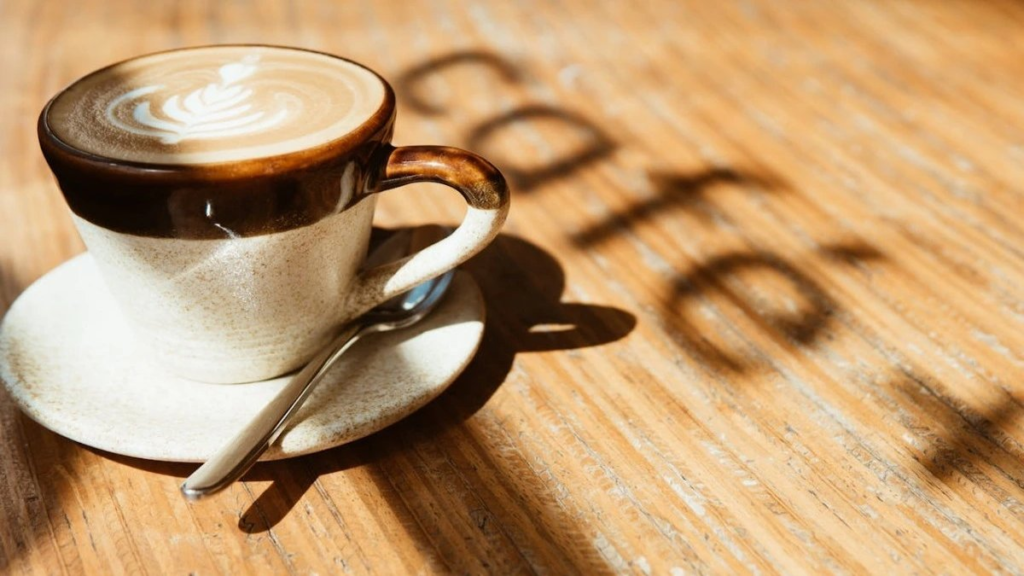
Introduction (A Winter Love Affair with Coffee)
As winter sets in, coffee becomes more than a drink, it turns into comfort. From early morning warmth to late night productivity, coffee is deeply woven into daily life across all ages. Globally, it is one of the most consumed beverages after water.
But behind its rich aroma and stimulating effect lies a less discussed question. Can excessive coffee consumption contribute to bone loss?
Scientific research suggests the answer is not black or white. The effect depends on dose, age, hormonal status, and calcium intake, making this issue especially important for older women, but relevant for everyone.
Understanding Bone Health in Simple Terms
Bones are living tissue. They constantly undergo remodeling, a balance between,
• Bone formation (by osteoblasts)
• Bone breakdown (by osteoclasts)
Peak bone mass is usually achieved by early adulthood. After that, maintaining bone density depends on nutrition, hormones, physical activity, and lifestyle factors, including caffeine intake.
How Coffee Affects Bones (The Role of Caffeine)
Caffeine does not directly “damage” bones. Instead, it affects calcium balance, which is essential for bone strength.
1. Increased Calcium Loss in Urine
Caffeine mildly increases urinary calcium excretion. According to The American Journal of Clinical Nutrition, each 100 mg of caffeine (about one small cup of coffee) increases calcium loss by approximately 4–6 mg.
Individually, this loss seems small. However, chronic daily intake over years, especially without adequate calcium replacement, may contribute to gradual bone thinning.
2. Reduced Calcium Absorption
Caffeine may slightly reduce calcium absorption in the intestine. Research published in Osteoporosis International shows that caffeine interferes with intestinal calcium transport, particularly when calcium intake is already low.
3. Effect on Bone Remodeling
Experimental studies suggest caffeine may stimulate osteoclast activity (bone breakdown) while inhibiting osteoblast function (bone formation), though this effect is modest and becomes clinically relevant mainly with high intake.
Why Older Women Are at Higher Risk
• Postmenopausal women are particularly vulnerable due to hormonal changes.
• Estrogen Decline and Bone Loss
• Estrogen plays a protective role by slowing bone resorption. After menopause:
• Bone breakdown accelerates
• Calcium requirements increase
• Sensitivity to caffeine’s effects becomes more pronounced
A large cohort study in Osteoporosis International found that postmenopausal women consuming more than 300 mg of caffeine daily and having low calcium intake had significantly higher hip fracture risk compared to those with adequate calcium.
Does Coffee Affect Younger Adults and Men?
Yes, but differently.
• Young Adults
In adolescents and young adults, bone mass is still accumulating. High caffeine intake combined with low calcium consumption may prevent optimal peak bone mass formation.
Studies in Journal of Bone and Mineral Research suggest that lifestyle factors during youth can influence fracture risk decades later.
• Men
Men generally have higher baseline bone density, which offers some protection. However, long term high caffeine intake with poor nutrition may still contribute to bone loss, particularly in older age.
How Much Coffee Is Too Much?
Most studies identify 300–400 mg of caffeine per day as the threshold where bone effects become noticeable in vulnerable populations.
Approximate caffeine content,
• Brewed coffee (1 cup): 80–100 mg
• Instant coffee: 60–80 mg
• Espresso (1 shot): 60–70 mg
Drinking more than 3–4 cups daily, especially without sufficient calcium and vitamin D, increases risk.
Does Adding Milk Make a Difference?
Yes, and this is a crucial point.
According to The American Journal of Clinical Nutrition, adding milk to coffee or consuming calcium rich foods alongside caffeine neutralizes calcium loss. This explains why coffee does not uniformly increase osteoporosis risk across populations.
In fact, populations with high coffee intake but adequate calcium consumption do not consistently show increased fracture rates.
Vitamin D (The Missing Link)
Calcium alone is not enough. Vitamin D improves calcium absorption and bone mineralization.
Studies in Endocrine Reviews highlight that individuals with vitamin D deficiency are more susceptible to bone loss from dietary and lifestyle factors, including caffeine. Winter months further increase deficiency risk due to reduced sunlight exposure.
Coffee vs. Osteoporosis (What Science Really Says)
Large observational studies consistently conclude,
• Moderate coffee consumption is safe
• Risk increases with high intake and low calcium
• Coffee alone does not cause osteoporosis
A meta-analysis in Nutrition Reviews concluded that coffee’s effect on bone density is small and clinically insignificant in individuals meeting daily calcium requirements.
How to Enjoy Coffee Without Harming Your Bones
You don’t need to give up your winter coffee ritual. Smart habits make all the difference.
• Limit intake to 2–3 cups per day
• Always pair coffee with calcium rich foods
• Ensure adequate vitamin D status
• Engage in weight bearing exercise
• Consider decaffeinated coffee if at high risk
FAQs
Q1. Does coffee directly cause osteoporosis?
No, Coffee does not directly cause osteoporosis. The risk increases mainly when high caffeine intake is combined with low calcium and vitamin D intake over time.
Q2. Is decaf coffee safer for bone health?
Yes, Decaffeinated coffee contains minimal caffeine, which significantly reduces caffeine-related calcium loss while still providing beneficial antioxidants.
Q3. Should postmenopausal women avoid coffee completely?
No, Postmenopausal women can safely consume coffee in moderation, provided their calcium and vitamin D intake is adequate.
Q4. Does tea have the same effect as coffee on bones?
No, Tea generally contains less caffeine and is rich in flavonoids, compounds that may offer bone-protective effects rather than harm.
Disclaimer
This article is for educational purposes only and does not replace medical advice. Individuals with osteoporosis or high fracture risk should consult a healthcare professional regarding caffeine intake.
Call to Action
Love your winter coffee, but love your bones more. Balance caffeine with nutrition, movement, and sunlight to stay strong at every age.
Contact us: https://pharmahealths.com/contact-pharma-healths/
References
• Osteoporosis International. Caffeine intake, calcium interaction, and fracture risk in postmenopausal women.
• American Journal of Clinical Nutrition, Effects of caffeine on calcium balance and bone metabolism.
• Nutrition Reviews, Meta-analysis of coffee consumption and bone health outcomes.
• Journal of Bone and Mineral Research, Lifestyle factors influencing peak bone mass.
• Endocrine Reviews, Role of vitamin D in bone remodeling and fracture prevention.