


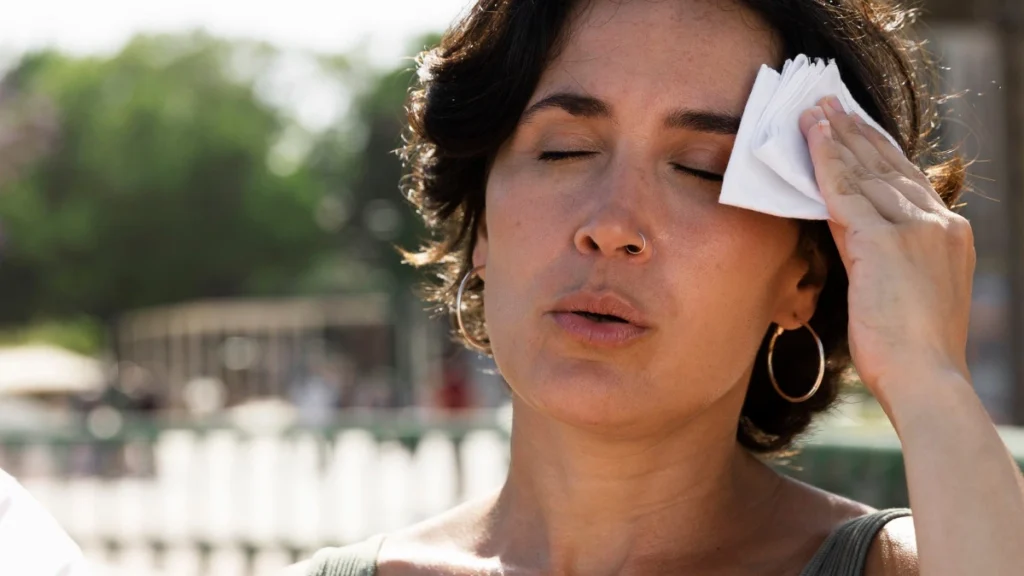
If you’ve got a trip planned somewhere hot this summer, and you’re on medication for blood pressure, anxiety, or depression, you’ve probably wondered whether the heat and your pills are going to play nicely together. As a pharmacist, this is one of the most common questions I get before people head off to warm destinations. and honestly, it’s a smart thing to think about before you pack your bags.
The short answer is yes, it’s generally safe to continue your medication, but hot weather changes how your body responds, so a little extra awareness goes a long way. Here’s what’s happening in your body, and how to travel smart without compromising your health.
Why Heat and Medications Don’t Always Mix Smoothly
Your body has a built-in cooling system. When you get hot, you sweat, your blood vessels near the skin widen, and your heart works a bit harder to move blood around and release heat. Several common medications interfere with one or more of these processes, and that’s where things can get tricky.
According to healthcare guidance on medications and heat, some drugs disrupt the body’s temperature regulating mechanisms or alter fluid and electrolyte balance, increasing the risk of overheating, dehydration, or other complications in hot weather. Research also suggests that dehydration and heat exposure can change how medications are absorbed, distributed, and eliminated, sometimes increasing the risk of side effects.
Blood Pressure Medications and Heat
If you’re on blood pressure medication, you’re not alone in worrying about this. Clinical data has shown that the risk of dehydration related complications increases in people, especially those newly started on combinations like ACE inhibitors and diuretics.
Here’s why these medications behave the way they do in hot weather,
Diuretics, often called “water pills,” work by helping your kidneys flush out extra fluid and sodium to lower blood pressure. In hot weather, when you’re already losing fluid through sweat, this combination can tip you into dehydration faster than you’d expect. When fluid loss adds up, it can lead to low blood pressure, dizziness, or even fainting.
Beta-blockers, commonly prescribed for high blood pressure and heart conditions, slow your heart rate and reduce how hard your heart pumps. The problem is, this also limits how efficiently your body can move blood to your skin to cool down. In simple terms, your body becomes less efficient at releasing heat.
ACE inhibitors and ARBs, while generally considered gentler, can still contribute to dehydration risk, especially when combined with other medications or prolonged heat exposure.
The good news? Evidence suggests that calcium channel blockers and ARBs tend to carry relatively lower heat related risks compared to diuretics and beta-blockers, particularly in older adults during heat waves.
Anxiety and Depression Medications (A Different Kind of Risk)
Now let’s talk about mental health medications, because the way they interact with heat is a bit different, and honestly, a bit more subtle.
SSRIs and SNRIs (commonly prescribed antidepressants) can affect your body’s temperature regulation in multiple ways. Since serotonin plays a role in body temperature, these medications may slightly increase your susceptibility to heat-related symptoms. At the same time, some people may experience increased sweating, while others may have reduced sweating, both of which can disrupt normal heat balance.
Tricyclic antidepressants carry a stronger version of this effect. They have more pronounced anticholinergic activity, which can reduce sweating and make it harder for your body to cool itself effectively.
Benzodiazepines, often prescribed for anxiety, work differently. They don’t directly interfere with heat regulation, but they can dull your awareness that you’re overheating. That means early warning signs like dizziness, fatigue, or feeling flushed may not feel as obvious, delaying your response.
Research in older adults has also shown higher rates of hospitalization during heat waves in those taking medications with anticholinergic effects, antipsychotics, or certain cardiovascular drugs, especially in people over 65.
Quick Summary (Who Needs Extra Caution?)
You should be especially mindful in extreme heat if you,
• Are taking diuretics
• Are on multiple medications affecting blood pressure or mental health
• Are over the age of 60
• Are not used to hot climates
• Have underlying heart, kidney, or mental health conditions
In these cases, small precautions can make a big difference.
So, Should You Stop Taking Your Medication Before Traveling?
Absolutely not, and I want to be really clear about this. Stopping your medication abruptly can be far more dangerous than any heat related risk.
Suddenly discontinuing beta-blockers can cause a rebound increase in heart rate and blood pressure. Stopping antidepressants suddenly can trigger withdrawal symptoms or a return of anxiety or depression.
The goal isn’t to avoid your medication, it’s to manage your routine more carefully in hot environments.
Practical Tips for Traveling in Extreme Heat on These Medications
Here’s what I recommend to patients before they travel,
Hydrate proactively, not reactively. Don’t wait until you feel thirsty, thirst is often a late signal, especially in hot weather.
Add electrolytes, not just water. If you’re sweating heavily, replacing sodium and potassium becomes important, particularly if you’re on diuretics.
Plan your day around the heat. Try to avoid direct sun during peak hours (late morning to mid-afternoon).
Know your early warning signs. Dizziness, unusual fatigue, confusion, nausea, rapid heartbeat, or not sweating when expected are all signals to cool down immediately.
Store your medications properly. Avoid leaving them in cars or direct sunlight. Heat can degrade certain medications, and some (like insulin) are especially temperature-sensitive. Using an insulated pouch while traveling can help maintain stability.
Talk to your pharmacist before you go. A quick medication review can help identify any specific risks based on your regimen and destination climate.
The Bottom Line
Living with high blood pressure, anxiety, or depression doesn’t mean you have to put your travel plans on hold, even in extreme heat. It simply means being a bit more intentional about hydration, timing, and awareness.
Your medications are doing important work for your health. With a few smart adjustments, you can safely manage both your condition and a hot climate without unnecessary risk.
If you ever feel uncertain about how your specific medication might respond to heat, that’s exactly the kind of question your pharmacist is there for. ask before you travel, not after problems start.
Call to Action
Before You Go
If you found this helpful, explore more practical, evidence-based health guides at pharmahealths.com, where complex medical topics are explained in clear, everyday language.
FAQs
Q1: Can I take my blood pressure medication if I’m traveling somewhere with extreme heat?
Yes, you should continue taking your medication as prescribed. Just be more mindful of hydration and heat exposure, especially if you’re on diuretics or beta-blockers.
Q2: Will my antidepressant make heat exhaustion more likely?
It can increase your risk slightly. Some antidepressants affect sweating and temperature regulation, so staying hydrated and avoiding peak heat is important.
Q3: Are anti-anxiety medications like benzodiazepines dangerous in hot weather?
They’re not directly dangerous, but they can make it harder to recognize early signs of overheating, so awareness is key.
Q4: What are the warning signs of heat related illness?
Dizziness, confusion, nausea, rapid heartbeat, unusual fatigue, and sweating changes. Act early, cool down and hydrate immediately.
Q5: Should I stop my medication before traveling to a hot climate?
No. Stopping medication suddenly can cause serious health risks. Always continue unless your doctor advises otherwise.
Q6: Is it safe for older adults to take these medications during heat waves?
Yes, but extra caution is needed, as older adults are more vulnerable to dehydration and heat-related complications.
Q7: Can heat change how my medication works in my body?
Yes, Dehydration and high temperatures can affect how drugs are absorbed and cleared, which may increase side effects, another reason hydration matters.
Disclaimer
This content is intended for general informational purposes only and does not constitute medical, nutritional, or pharmaceutical advice. Please consult a qualified healthcare professional before making significant changes to your diet, exercise routine,
References
• SingleCare, Medication safety in hot weather
• Americares, Medications and heat (provider resource)
• Houston Methodist, Heat-related illness and medications
• MedShadow Foundation, Medication risks in heat
• Healthline, Drug interactions with heat
• NPR, Medication safety during heat waves